Trying to decide between WaterColor and Seaside on 30A? You are not alone. Both are iconic Gulf Coast communities in South Walton, and each delivers a standout lifestyle. The challenge is knowing which one fits how you want to live, vacation, or invest. In this guide, you will get a clear, side‑by‑side look at architecture, amenities, beach access, rental dynamics, pricing considerations, and practical steps so you can choose with confidence. Let’s dive in.
Quick take: two distinct lifestyles
WaterColor and Seaside sit next to each other along Scenic Highway 30A, yet they feel different day to day. Seaside functions like a compact beach town with a lively public plaza, shops, and dining within a very short walk. WaterColor is a larger, master‑planned residential resort with lakes, trails, multiple pools, and managed beach access.
- If you want a walkable town center, steady street life, and an iconic look, you will likely lean Seaside.
- If you want more privacy, larger homes, and resort programming for groups, WaterColor often fits better.
Architecture and home styles
Both communities follow design guidelines, but the experience of space and product type differs.
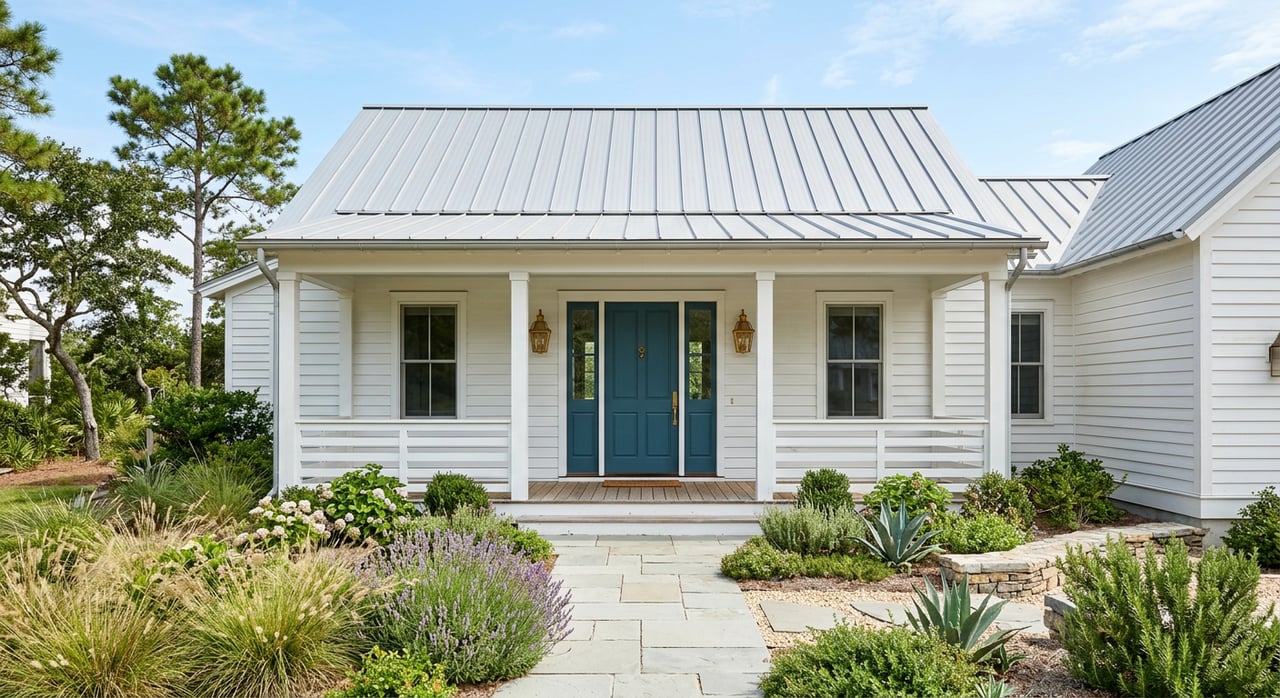
- Seaside: Smaller lots and cottages are common. Classic details like front porches and pitched roofs create a human‑scale streetscape. Inventory is limited, and many properties are considered landmark or historic within the community. This scarcity helps drive high values per square foot.
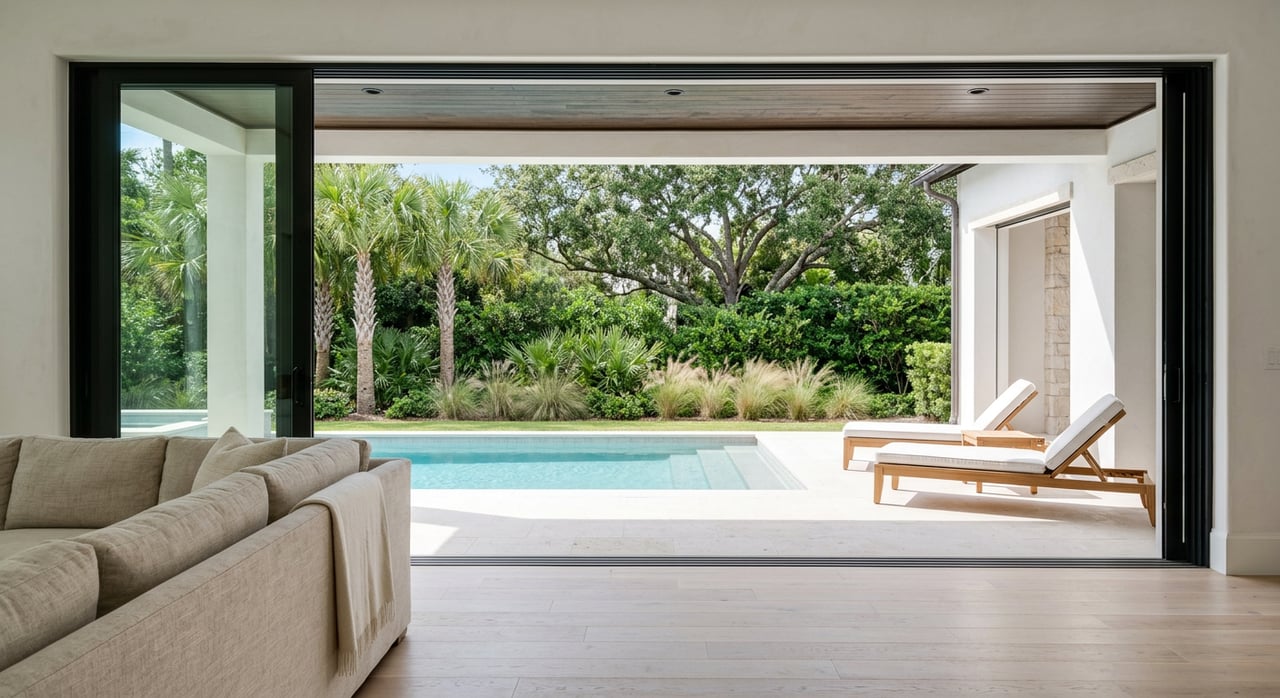
- WaterColor: You will find a broader range, from townhomes and single‑family homes on larger lots to select lakefront and gulf‑front properties. Newer construction and larger footprints are common, all within an HOA design review structure.
Bottom line: If you want a classic cottage on a small lot near a town green, Seaside fits. If you want more square footage and variety in product type, WaterColor delivers more options.
Amenities and recreation
Your daily routine will look different depending on where you land.
- Seaside: The central town green hosts events and live performances at times, with restaurants, galleries, and shops creating a social hub. The beach sits directly in front of town, and the energy is centered on the public realm.
- WaterColor: Expect multiple community pools, fitness facilities, tennis and pickleball, lakes for paddling or fishing, nature preserves, and extensive trails. The community often offers resident‑focused programming such as kids activities, fitness classes, and nature experiences. Beach access is managed for residents and guests.
If you value resort‑style amenities and on‑site recreation that can engage a group without leaving the neighborhood, WaterColor has the edge. If you want your amenity to be the town scene itself, Seaside shines.
Beach and lake access
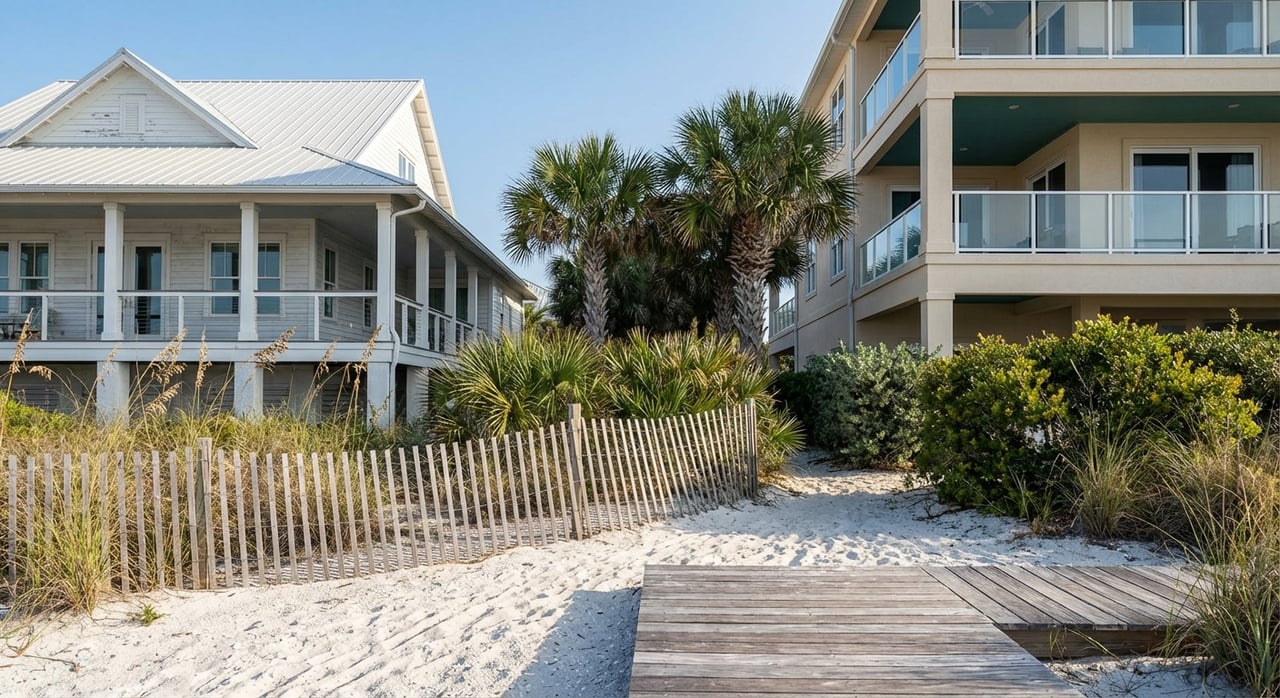
- Seaside: Immediate access to the Gulf in front of town. The beaches are public and can be busy during peak season.
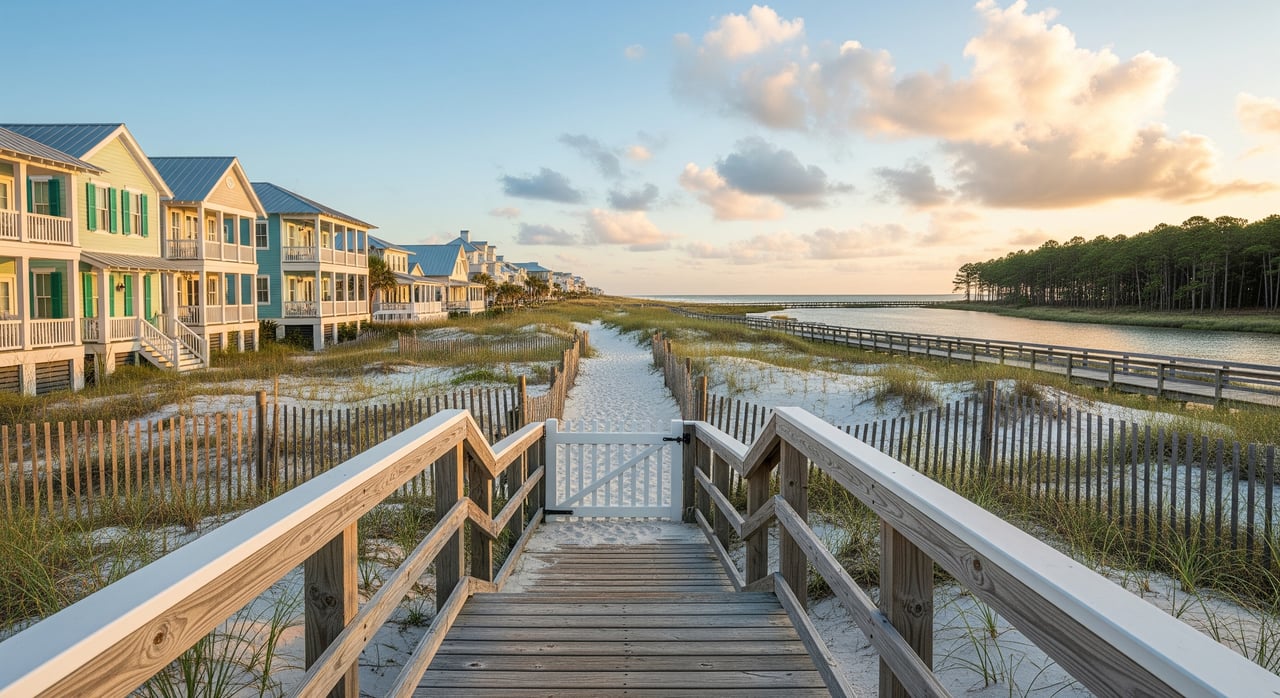
- WaterColor: Access to the same coastline, but with private or managed entry points for the community. Lakes are a defining feature within WaterColor, offering scenic views, freshwater activities, and select lakefront lots.
Consider how you prefer to spend a beach day. Seaside’s beachfront is vibrant and active, while WaterColor balances Gulf time with quiet lake settings and controlled access.
Walkability and transportation
- Seaside: Extremely walkable. Most homes are within a short stroll of dining, shopping, and the beach. Bike use is common and convenient thanks to short blocks and a compact layout.
- WaterColor: Walkable within neighborhoods and to on‑site amenities, but the overall footprint is larger. Biking is a great way to navigate the community and connect to the broader 30A trail system.
If maximum walkability to a town center is your priority, Seaside is hard to beat. If you’re comfortable with a bigger campus where biking is part of the routine, WaterColor works well.
Rental culture and returns
Both communities see strong vacation demand along 30A. The profile of stays and guest groups differs.
- Seaside: High nightly rates are common due to the town‑center location and brand recognition. Inventory is limited, and the lively environment appeals to guests who want to be in the heart of it all.
- WaterColor: Strong rental demand with larger homes that suit family groups and longer stays. Some properties are integrated with resort and local management options, which can simplify operations for owners.
Note: Short‑term rentals are subject to county and HOA rules, including registration, taxation, parking, minimum stay, and occupancy limits. Always review the specific HOA covenants and Walton County guidelines before you count on rental income.
Pricing and value
While exact numbers move with the market, general patterns hold true.
- Seaside: Because of scarcity, iconic status, and a central location, per‑square‑foot prices tend to be high. Even interior cottages command premium values.
- WaterColor: Offers a wider range of price points and product types. You may be able to secure more square footage for the price compared with a similar Seaside property.
The local market changes quickly. For current medians, days on market, and inventory by sub‑area, review the latest 30A market data through the local MLS or association reports.
HOA rules and governance
- Seaside: Community design guidelines and neighborhood rules shape both new construction and renovations. Fees and restrictions vary by sub‑area.
- WaterColor: A robust HOA structure supports amenities, common‑area maintenance, security, and beach access management. Expect defined amenity fees and architectural review procedures.
Before you buy, request and review HOA bylaws, covenants, assessments, rental rules, and any reserve studies or planned projects.
Noise, privacy, and vibe
- Seaside: Busy and social, especially in season and during events. Properties near the plaza or beach may experience more public activity and sound.
- WaterColor: More residential and private inside the neighborhoods, with controlled access to facilities and a quieter overall feel away from the beachfront.
Choose the environment that matches your comfort level with activity and foot traffic.
Risk and insurance
Both communities are coastal, and many properties sit in FEMA flood zones. Hurricane and storm exposure is part of ownership along the Gulf.
- Obtain elevation certificates and insurance quotes for homeowners, wind, and flood based on the specific parcel’s zone.
- Ask about wind mitigation credits and any prior claims.
- For gulf‑front or near‑shore properties, understand dune and shoreline programs and any recent renourishment or repair work.
These steps help you plan for resilience and ongoing cost of ownership.
Services and access
Day‑to‑day services are close, but not all are inside the immediate town center.
- Airports: Common options include Destin‑Fort Walton (VPS) and Northwest Florida Beaches International (ECP). Drive times typically range from about 30 to 75 minutes depending on routing and traffic.
- Groceries and medical: You will find limited everyday retail inside Seaside, with larger grocery and medical services a short drive away in nearby communities.
Factor travel routes and seasonal traffic into your plans, especially if you expect frequent trips.
How to choose: simple framework
Use this quick decision guide to align the community with your lifestyle and goals:
- Lifestyle fit: Do you want a small‑town, front‑porch experience with a busy public plaza, or a residential resort with varied amenities and more privacy?
- Home type: Do you prefer a classic cottage on a smaller lot or a larger home with more indoor and outdoor space?
- Beach routine: Do you enjoy a lively public beach setting or prefer managed access with options to pivot to lakes and trails?
- Mobility: Is your priority a short walk to many restaurants and shops, or are you comfortable biking around a larger community?
- Investment: Will you host smaller parties seeking a town‑center experience, or larger family groups who value resort amenities?
- Budget: Are you focused on per‑square‑foot value and larger footprints, or is being in a highly scarce, iconic location the top priority?
Touring checklist
Bring this list on your next visit so you can compare apples to apples.
- HOA documents: bylaws, covenants, architectural review, amenity fees, rental rules, and any pending assessments.
- Short‑term rental rules: county registration and taxes, minimum stays, occupancy and parking limits, and management options.
- Insurance: quotes for homeowners, wind‑only, and flood coverage using the property’s elevation and flood zone.
- Resilience: ask about past storm impacts, dune or shoreline work, drainage, and any structural upgrades.
- Rental performance: gather occupancy, average nightly rates by season, and net income examples from local managers for comparable homes.
- Access and parking: confirm owner and guest parking availability and procedures for beach access.
- Market data: compare recent neighborhood sales, days on market, and active inventory through current reports.
Work with a local advisor
Choosing between WaterColor and Seaside is about more than price per square foot. It is about aligning your lifestyle, your ownership goals, and your operating costs with the right neighborhood fabric. A knowledgeable local advisor can help you pressure‑test rental assumptions, surface HOA nuances, and weigh resilience and insurance across specific blocks.
If you are weighing both communities, let an expert guide your search, share up‑to‑the‑minute market data, and handle the details so your purchase feels seamless. Connect with MaryGrace Stubbs to compare on‑market and private offerings, tour with purpose, and move forward with clarity.
FAQs
What makes Seaside highly walkable on 30A?
- Seaside concentrates dining, shopping, and events around a compact town green, so most homes sit a short walk from the beach and amenities.
Why is WaterColor considered more private for residents?
- WaterColor’s larger footprint, controlled access to facilities, and residential neighborhood layout create a quieter, more internal vibe away from the beach.
How do short‑term rentals differ in Seaside and WaterColor?
- Seaside often commands higher nightly rates due to its iconic town‑center setting, while WaterColor’s larger homes attract family groups and longer stays; both are subject to county and HOA rules.
Are prices usually higher in Seaside than WaterColor?
- Generally, yes on a per‑square‑foot basis due to Seaside’s scarcity and central location; WaterColor offers broader inventory and can deliver more space for the price, subject to market cycles.
Do I need flood insurance in Seaside or WaterColor?
- Many properties in both communities are in FEMA flood zones, so you should obtain elevation certificates and secure quotes for flood, wind, and homeowners insurance before you buy.
Which airports serve Seaside and WaterColor best?
- Destin‑Fort Walton (VPS) and Northwest Florida Beaches International (ECP) are common choices, with typical drives of about 30 to 75 minutes depending on traffic and routing.