What if your beach home could help pay for itself part of the year? Buying a vacation rental in WaterSound can blend lifestyle and income, but the details matter. From HOA rules to seasonality and pricing, smart choices up front set you up for better bookings and calmer ownership. In this guide, you’ll learn how WaterSound rentals perform, which property types fit your goals, what amenities guests value, and a simple way to estimate revenue. Let’s dive in.
Why WaterSound draws demand
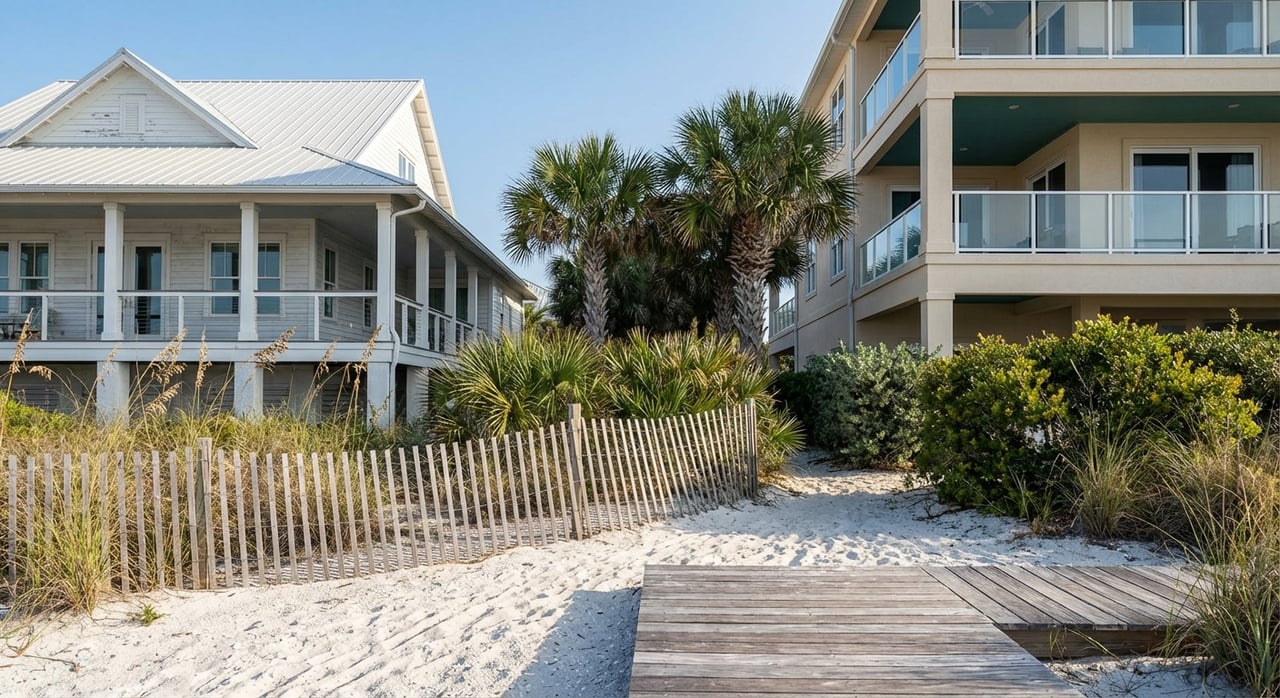
WaterSound sits along the Northwest Gulf coast on the 30A corridor, surrounded by beloved beach towns like Seaside and Rosemary Beach. Visitors come for the white-sand beaches, bike-friendly paths, and a cluster of nearby restaurants and resort amenities. That mix supports strong leisure demand across spring break, summer, and holidays.
Guests often travel as families or multigenerational groups. They look for walkable access to the beach, pools, casual dining, and activities that make it easy to arrive, settle in, and relax. Properties closer to public beach access and amenity hubs typically see higher average daily rates and occupancy than homes set farther inland.
If you plan to rent short term, verify local requirements early. Florida sales tax and transient rental taxes apply, and Walton County collects tourist development taxes. The Florida Department of Revenue and local county offices outline registration and remittance. At the property level, condo and HOA documents govern whether short-term rentals are allowed and under what rules.
Choose the right property type
Selecting the right home shapes your nightly rates, operating costs, and target guest profile. Here is how common WaterSound product types typically align with short-term demand.
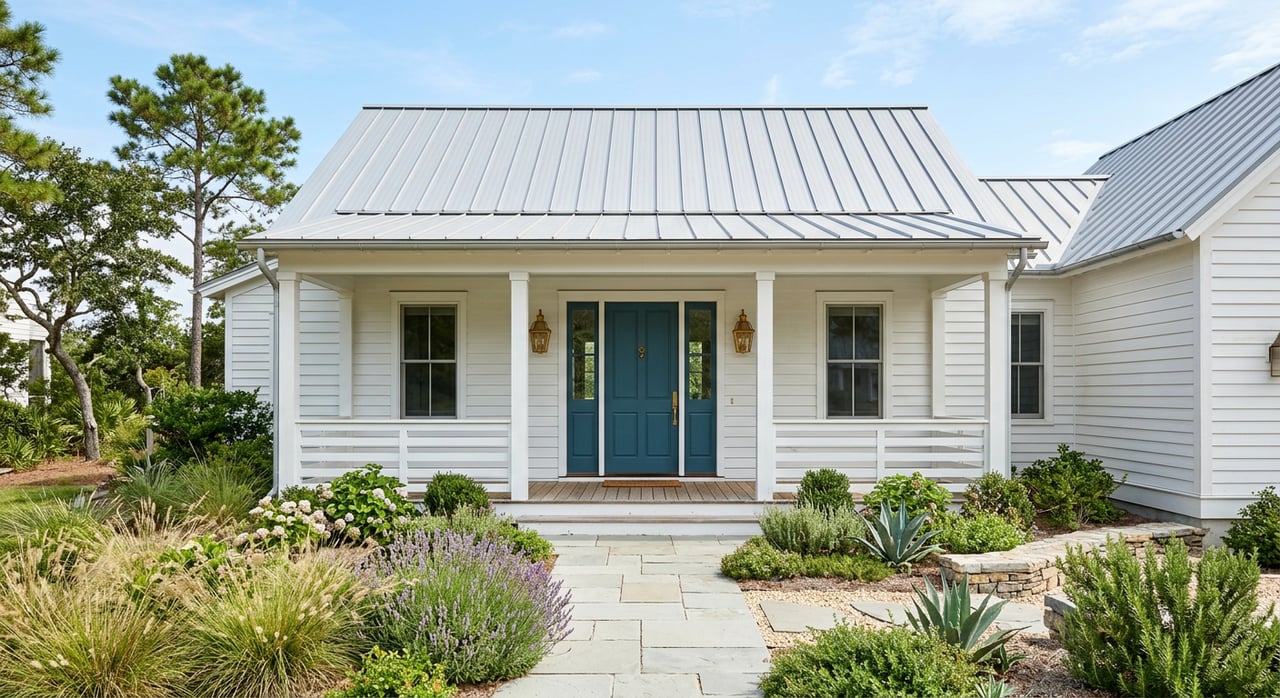
Single-family homes
- Appeal: privacy, outdoor space, and often private pools. Great for larger families and multi-family groups.
- Considerations: higher purchase and carrying costs, more maintenance, and higher insurance exposure for wind and hurricanes. Premium finish levels should match guest expectations.
Townhomes and cottages
- Appeal: efficient layouts for 6 to 10 guests, lower maintenance than large standalone homes, and access to shared community amenities.
- Considerations: HOA rules may be stricter on rentals, and monthly fees can be meaningful. Those fees may cover exterior maintenance and some utilities, which reduces owner workload.
Condominiums
- Appeal: proximity to pools, fitness, and dining, often with elevators and onsite services.
- Considerations: condo HOAs may set minimum-stay requirements, owner-use windows, or limits on rental frequency. Assessments can be higher than single-family communities.
Luxury gulf-front residences
- Appeal: commanding views and beach access drive the highest ADRs and strong seasonal yield.
- Considerations: premium insurance costs, specialized maintenance, and elevated guest service expectations.
Fractional or club ownership
- Appeal: lower entry cost and sometimes built-in management.
- Considerations: shared use limits owner nights, and revenue splits are defined by program agreements.
Before you write an offer, verify these details for any property:
- Rental restrictions: minimum stays, guest registration, rental caps, and owner blackout periods.
- Flood and hurricane risk: FEMA flood zone, elevation, and available flood insurance quotes.
- Beach access and parking: distance to the nearest beach access and number of dedicated spaces.
- What HOA fees include: utilities, cable, trash, exterior maintenance, and amenity access.
Seasonality and pricing strategy
WaterSound follows a classic coastal pattern.
- Peak season: late March through August. Spring break, Memorial Day, July 4th, and summer weeks drive the highest occupancy and ADR. Weekly bookings are common.
- Shoulder seasons: February to early March and September to October. Weekend and weekly bookings remain strong, though ADRs dip from summer highs.
- Off season: January to February, except holiday weeks and longer snowbird stays.
To optimize revenue, adjust your approach by season:
- Set minimum-stay rules that match demand. Weekly minimums in peak weeks, shorter stays in the shoulder and off seasons.
- Use dynamic pricing with day-of-week and holiday adjustments. A flat rate is likely to underperform.
- Line up housekeeping and maintenance capacity early for fast turnarounds in peak months.
Amenities that boost bookings
In WaterSound, guests pay for convenience, comfort, and an easy beach rhythm. The closer a property sits to central amenities and the beach, the more pricing power you may have.
Walkability to The Hub and beach
- Short, safe walks to dining, entertainment, pools, and the beach reduce parking headaches and elevate guest satisfaction.
- Homes near The Hub and club facilities tend to convert browsers to bookers faster thanks to simple routines for families.
Pools and outdoor living
- Private pools are a major draw for families and groups. Heated options extend shoulder-season appeal.
- Outdoor showers, grills, dining areas, and secure storage for beach gear help guests settle in and leave five-star reviews.
Tech and convenience
- High-speed Wi-Fi, keyless entry, contactless check-in, and smart locks are must-haves for many travelers.
- Provide a clear digital guidebook with house rules, amenity maps, and local tips.
Family and pet friendly
- Pack-and-play, high chair, and a few beach toys widen your audience. If allowed by your HOA and insurance, a well-managed pet policy can expand demand.
Small upgrades with big impact
- Professional photos and clean, clear listing copy improve conversion.
- Comfortable beds, quality linens, and blackout curtains lead to better reviews.
- Stocked beach gear and a secure storage spot simplify guest days.
Rental management options and fees
Decide early how hands-on you want to be. Each model has tradeoffs.
Self-management
- Pros: more control and potential for higher net revenue if you handle guest services and turnovers.
- Cons: time intensive, logistics-heavy, and you carry more compliance responsibility.
Local independent property manager
- Pros: strong local vendor networks, quick response times, and tailored service.
- Cons: technology and marketing reach vary, so review their distribution and pricing tools.
National platforms
- Pros: wide marketing distribution, standardized operations, and centralized revenue management.
- Cons: higher fees in some cases and less local personalization.
Resort or developer management
- Pros: integrated booking channels and amenity alignment.
- Cons: potential limits on owner control and defined rental pools.
Typical fee elements to budget and compare:
- Management fee: often 15 to 40 percent of gross rental revenue depending on service level.
- Platform and marketing fees: may be passed through or absorbed by the manager.
- Cleaning and turnover: charged per stay, typically passed to the guest but affects pricing.
- Maintenance and reserves: some managers require a funded reserve and bill repairs to owner statements.
- Onboarding costs: listing setup, professional photography, and furnishings.
- Contract terms: minimum length, termination penalties, owner-use windows, and exclusivity.
When interviewing managers, ask about pricing tools, response times, damage coverage, local marketing channels, and sample owner statements.
Estimate revenue with confidence
Use a month-by-month approach grounded in local comps. This framework keeps you realistic and lets you test different scenarios.
- Set your ADR by month using comparable listings from market data providers or local managers.
- Set your occupancy by month for those comps.
- Calculate each month’s revenue: ADR_month × nights_in_month × occupancy_rate_month.
- Sum the months for gross annual revenue.
From gross revenue, model your net:
- Management fees.
- Cleaning fees and linen service.
- Platform or booking fees if applicable.
- HOA or condo dues and community fees.
- Utilities and internet.
- Insurance for property, liability, wind, and flood.
- Maintenance and a reserve for repairs.
- Capital expenditures for furnishings and appliances.
- Required state and county taxes and tourist development taxes.
Run a sensitivity check:
- Conservative case: lower ADRs, lower occupancy.
- Base case: current comps.
- Optimistic case: improved amenities and better reviews.
This exercise helps you compare properties apples to apples and decide which upgrades or amenities could justify higher pricing.
HOA rules and due diligence
Community rules shape your business plan. Request these items before you finalize a contract:
- CC&Rs and rental addendums that define minimum stays, rental caps, guest registration, and owner blackout periods.
- HOA and condo rules for parking, signage, noise, and exterior changes.
- Current HOA budget and reserve study to flag potential special assessments.
- Recent board meeting minutes that signal upcoming projects or rule changes.
- Club and amenity access terms, including guest passes and any separate membership fees.
- Copies of management agreements the HOA may have with resort operators.
- Insurance requirements set by the HOA for owners.
- Local permits or licensing needed for short-term rentals in Walton County.
Coastal Florida risk checklist
Owning near the Gulf is special, and it comes with unique considerations. Plan for:
- Weather and storms: hurricanes can disrupt bookings, so evaluate shutters, impact windows, and response plans.
- Flood risk: confirm FEMA flood zone and elevation, then obtain flood insurance quotes early.
- Insurance market shifts: premiums and coverage can change, so compare carriers.
- Regulatory changes: monitor county rules and HOA amendments that could affect rentals.
- Seasonality risk: performance relies on peak periods, so build cash reserves for slower months.
Your next steps in WaterSound
A clear process helps you move from interest to action.
- Get a micro-market performance report for the specific address from a trusted data provider or a local manager.
- Request full HOA and condo documents, including rental rules and any club access terms.
- Interview two or three local managers and at least one national platform to compare fees and performance.
- Obtain quotes for property, wind, flood, and liability insurance, plus a flood-zone confirmation.
- Build a three-scenario pro forma using monthly ADR and occupancy inputs and all line-item expenses.
- Walk the area during peak and shoulder seasons to validate walkability, parking, and guest flow around The Hub and beach access.
If you want a local partner to help you evaluate properties, documents, and revenue potential, you are in the right place. With more than $550M in closed transactions across 30A, MaryGrace brings hyper-local insight, a concierge process for remote buyers, and a clear-eyed approach to investment properties. Start the conversation with MaryGrace Stubbs.
FAQs
When are the peak rental months in WaterSound?
- Spring break through August is peak, with weekly bookings common and the highest ADRs, while holidays also perform well.
Do WaterSound HOAs allow short-term rentals?
- Many do, but rules vary by community; review CC&Rs, rental addendums, and any minimum-stay or guest registration requirements before you buy.
Which amenities most impact bookings near The Hub?
- Walkable access to The Hub and beach, private or heated pools, outdoor living areas, high-speed Wi-Fi, and keyless entry typically drive stronger demand.
What management fees should I expect on 30A?
- Full-service management commonly ranges from about 15 to 40 percent of gross revenue, depending on services and scope.
What taxes and registrations apply in Walton County, Florida?
- Short-term rentals generally require state and county registration, with sales and transient taxes plus tourist development taxes collected and remitted.
How can I estimate a specific home’s rental income?
- Use monthly ADR and occupancy from comparable listings, calculate monthly revenue, sum for the year, then subtract line-item expenses for a net estimate.