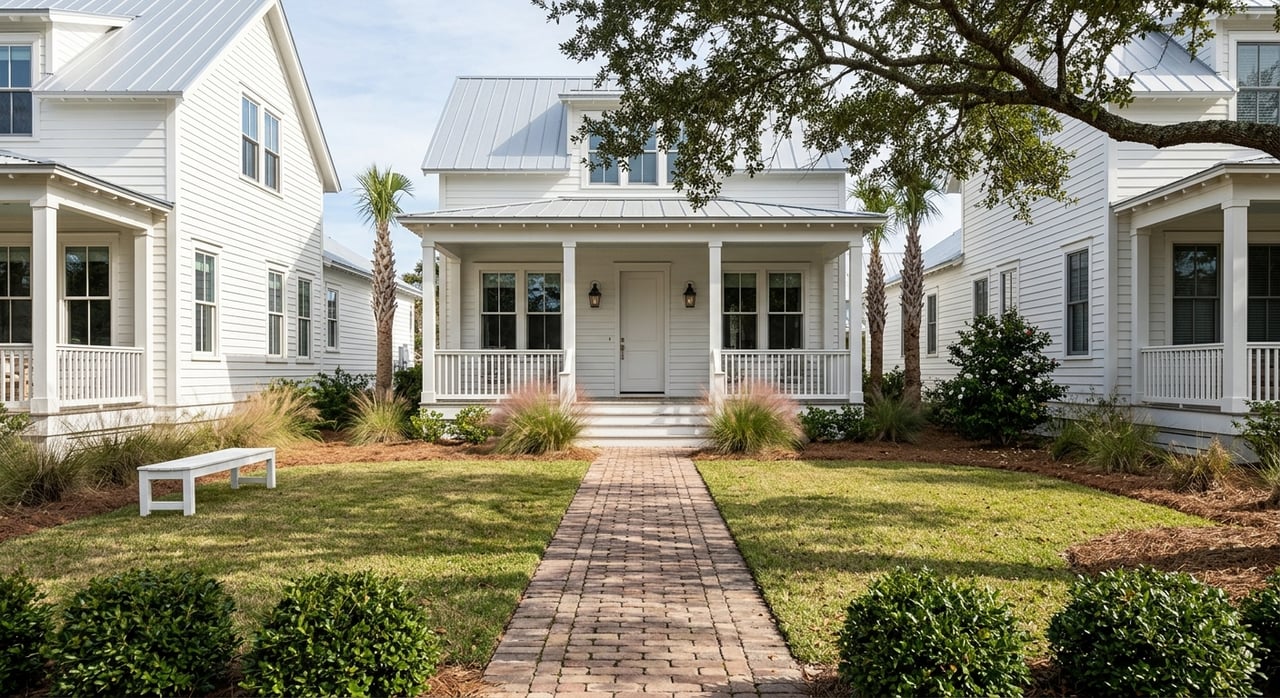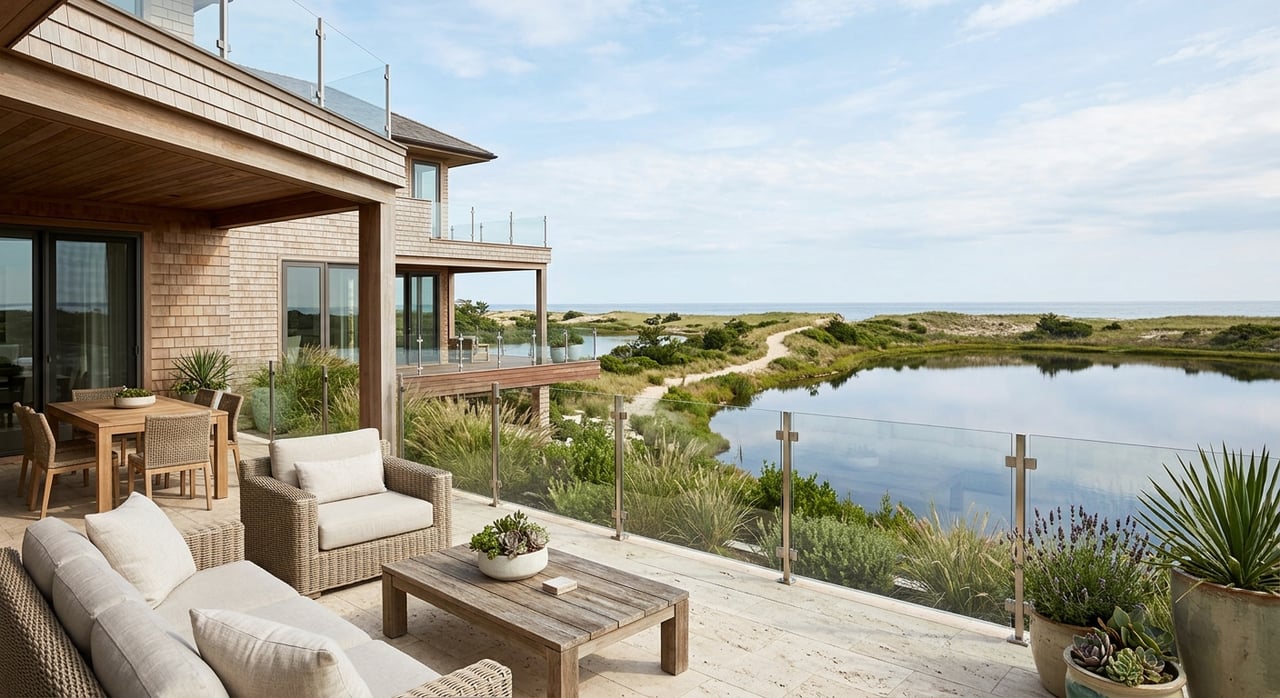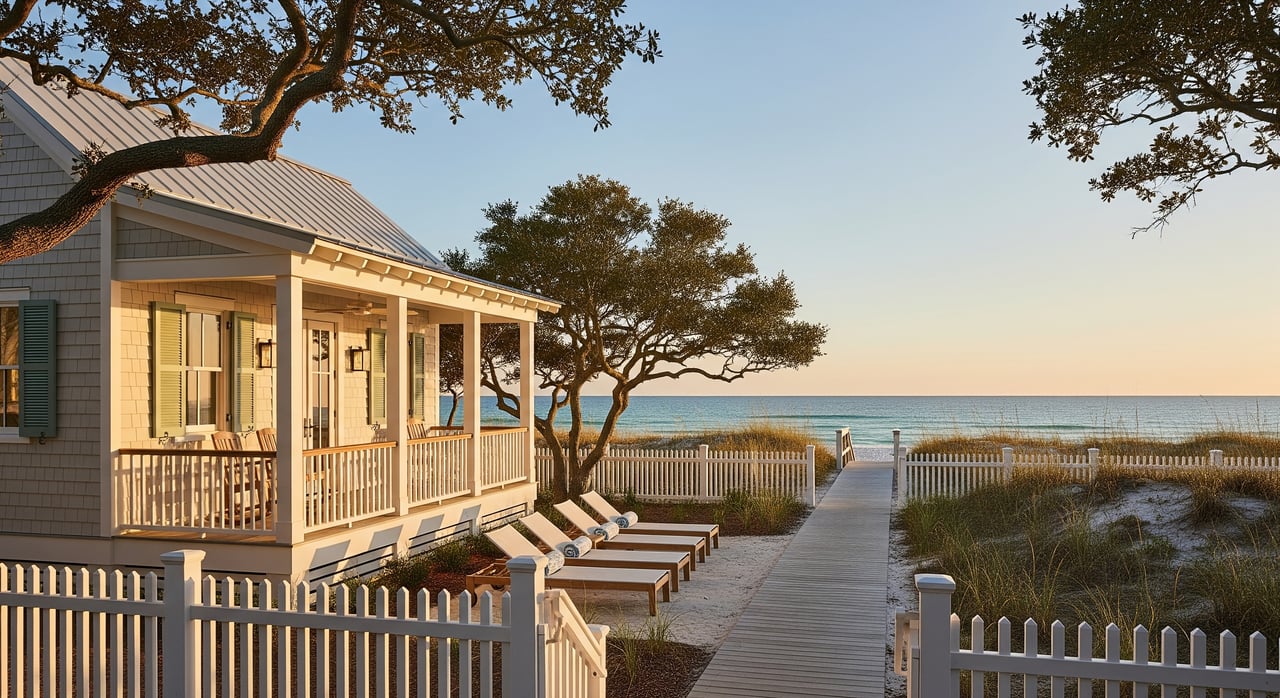
Are you deciding whether your Seaside purchase should be your Florida homestead or a second home? The choice shapes your taxes, insurance, financing, and how freely you can rent. If you want clarity before you buy on 30A, you are in the right place. In this guide, you will learn how homestead status works in Florida, what second-home treatment means, the key timelines and documents, and the specific realities for Seaside and Walton County. Let’s dive in.
Homestead vs second home
Florida homestead is a legal status for your primary, permanent residence in the state. You can only claim one homestead at a time. Homestead brings valuable property tax protections and strong creditor protections that second homes do not receive.
A second home is a property you own in Florida that is not your primary residence. Many owners use second homes for personal vacations or as short-term rentals. Second homes are treated as non-homestead for property tax purposes and do not receive homestead exemptions or assessment caps.
In short: homestead favors lower long-term property taxes and protections if you truly live there. A second home favors flexibility for rental and investment use.
Who qualifies for homestead
To qualify for a tax year, you must own and occupy the property as your permanent residence on January 1 of that year. You also need to file an initial homestead exemption application with the county property appraiser by the local deadline. In many Florida counties that deadline is in early spring. Check Walton County’s procedures and timing before you plan your move.
Your intent to make Florida your primary home matters. Florida looks at where you actually live and your overall ties. You cannot claim homestead on more than one property. Doing so can trigger loss of the exemption, back taxes, and penalties.
Key tax differences
Homestead delivers two major benefits:
- A standard homestead exemption that reduces the taxable assessed value of your primary residence. Details are set by statute and applied by the county, so confirm current figures with the Walton County Property Appraiser before you run numbers.
- The Save Our Homes assessment limitation. Each year, the assessed value of a homesteaded property can increase by no more than the lesser of 3 percent or the change in the Consumer Price Index. Over time, this can create a significant gap between market value and taxable assessed value.
A second home does not receive these benefits. Its assessed value can adjust with the market, which can mean a higher tax burden over time compared with a homestead.
Florida homestead law also provides strong protection against forced sale by unsecured creditors for your primary residence. This protection has acreage limits that apply to creditor protection, not to exemption filing. Inside a municipality, the protected area is traditionally one-half acre. Outside municipal limits it is up to 160 contiguous acres. Second homes do not receive this protection.
Florida allows portability of the Save Our Homes benefit. If you are moving from one Florida homestead to another, you may be able to transfer a portion of your accumulated assessment differential to your new homestead. There are limits, strict timing rules, and paperwork. Verify details with the Walton County Property Appraiser before you rely on portability in your projections.
Residency proof and timeline
Because homestead hinges on domicile and occupancy, you should align your records and day-to-day life with Florida residency if you plan to claim homestead in Seaside.
Common steps people use to demonstrate Florida domicile:
- Live in the home as of January 1 for the tax year.
- File the homestead exemption application with the Walton County Property Appraiser.
- File a Declaration of Domicile with the Walton County Clerk of Court.
- Obtain a Florida driver’s license or state ID and register vehicles in Florida.
- Register to vote in Florida and use your Seaside address for important records and mail.
- Keep utility bills and routine correspondence at the property address.
Report changes. If you move or change your primary residence, notify the property appraiser. Retroactive issues can lead to penalties.
Risks of misclaiming
Improperly claiming homestead while maintaining primary residency elsewhere can be costly. Risks include repayment of benefits with interest, loss of portability, civil fines, and possible criminal penalties in clear fraud cases. In active vacation rental markets, local offices may review claims closely. Keep consistent records and avoid conflicting signals about your primary residence.
Lending and insurance impacts
Mortgage programs categorize homes based on use. The category affects rates, down payments, and underwriting.
- Primary residences usually offer the most favorable loan terms.
- Second homes often require larger down payments and may carry slightly higher rates.
- Investment properties with rental use typically have stricter underwriting and higher rates.
Insurance is also a major line item on 30A. Coastal homes often face higher windstorm and flood premiums, regardless of homestead status. Some insurers may view primary residences differently than second homes, but location and exposure drive pricing. If the property is in a FEMA flood zone and you have a loan, flood insurance will be required.
For federal income taxes, you may be able to deduct mortgage interest within federal limits for both primary and second homes if you itemize. If you rent the property, you must report rental income and can deduct certain expenses. Mixed personal use and rental days trigger IRS rules for vacation homes. The federal $10,000 cap on state and local tax deductions remains relevant for many high-income buyers. Consult a qualified CPA for advice tailored to your situation.
Renting your Seaside home
Many 30A buyers plan on short-term rental income. Occasional short rentals while you maintain the property as your primary residence may be compatible with homestead. Frequent or continuous rentals that show you do not occupy the property as your permanent residence can jeopardize homestead status.
If you plan to rent:
- Review HOA covenants and local ordinances for rental rules and minimum stays.
- Register for any required tourist development or occupancy taxes and remit on schedule.
- Make sure your insurance policy covers short-term rental activity. You may need specific endorsements or landlord coverage.
Walton County and Seaside specifics
Seaside and the broader 30A corridor are high-demand coastal markets with a large share of second homes and vacation rentals. That reality can affect how local offices review homestead claims and how you structure your use.
- Walton County Property Appraiser administers homestead applications, portability, and enforcement. Follow their forms and deadlines.
- Walton County Clerk of Court accepts Declarations of Domicile.
- Walton County tax offices handle transient rental registration and remittance for short-term rentals.
- Many Seaside properties are in HOAs with specific rental rules. Always review HOA documents before you buy.
- Wind and flood exposure are part of owning on the Gulf. Budget for higher premiums and evaluate coverage options early, especially if you plan to rent.
How to choose for 30A
Start with your lifestyle and use pattern. If you are ready to make Seaside your primary, year-round residence and can align your records and daily life in Florida, homestead status can deliver long-term tax stability and creditor protection. If your goal is maximum rental flexibility or you expect to spend limited time here, second-home treatment may better fit your plan.
Ask yourself:
- Will I truly live here as my permanent residence by January 1?
- Do I need the flexibility to rent heavily during peak seasons?
- Am I moving from another Florida homestead and relying on portability?
- How do lending and insurance terms change between primary, second home, and investment categories for my situation?
Document your intent clearly, keep good records, and align your plan with local rules and timelines.
Quick checklist
- Decide use: primary homestead or second home.
- Verify timing: own and occupy by January 1 for the tax year; confirm the county’s filing deadline.
- Gather proof: Florida ID, voter registration, vehicle registration, utility bills, and a Declaration of Domicile.
- Review rules: HOA rental policies, Walton County rental registration, and tax remittance steps.
- Confirm lending: compare primary vs second home vs investment loan terms.
- Price insurance: get quotes for wind, homeowners, flood, and short-term rental endorsements if needed.
- Track mixed use: keep a log of personal use days, rental days, and related income and expenses.
- Consult pros: speak with a local real estate attorney or CPA for residency and tax questions, and an insurance agent familiar with coastal risks.
Ready to map your plans to the reality of Seaside and 30A? With deep local insight, curated market knowledge, and a concierge approach, you can make a confident choice that fits your goals. If you want a clear path from search to closing, reach out to MaryGrace Stubbs to talk through your timeline, use plan, and the neighborhoods that fit best.
FAQs
What is the main difference between a Florida homestead and a second home?
- A homestead is your primary, permanent Florida residence with property tax and creditor protections; a second home is non-homestead and used for vacations or rentals without those tax protections.
When do homestead benefits start for a new Seaside buyer?
- You must own and occupy the property as your permanent residence on January 1 of the tax year and file the homestead application with Walton County by the local deadline.
Can I rent my Seaside homestead part-time and keep the exemption?
- Occasional short rentals can be compatible if the home remains your primary residence; frequent rentals that show you do not live there as your permanent home can put the exemption at risk.
How does Save Our Homes help on 30A?
- For homesteads, the assessed value increase is limited to the lesser of 3 percent or CPI each year, which can reduce tax growth over time compared with non-homestead second homes.
Can I transfer Save Our Homes savings to a new Seaside homestead?
- Florida allows portability of part of your accumulated Save Our Homes benefit under specific rules and deadlines; confirm eligibility and steps with the Walton County Property Appraiser.
Does homestead lower flood or wind insurance costs in Seaside?
- Homestead status does not directly change flood insurance. Some carriers may price primary residences differently, but coastal wind and flood risk largely drive premiums.
What documents help prove Florida residency for homestead?
- A Florida driver’s license, voter registration, vehicle registration, Declaration of Domicile, and utility bills at your Seaside address all support your claim, along with actual occupancy.
What are the risks of claiming homestead if my primary home is out of state?
- You could face back taxes, fines, loss of portability, and penalties if your records and use show your primary residence is elsewhere. Keep consistent, Florida-based documentation if you plan to claim homestead.