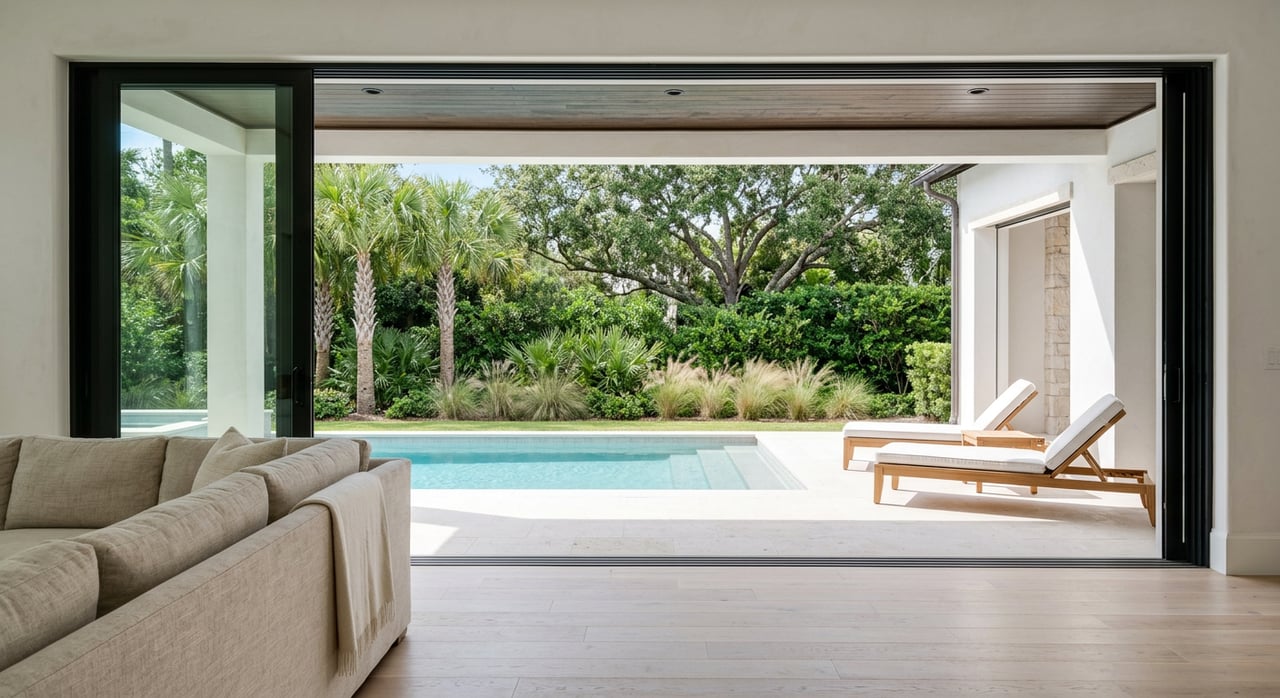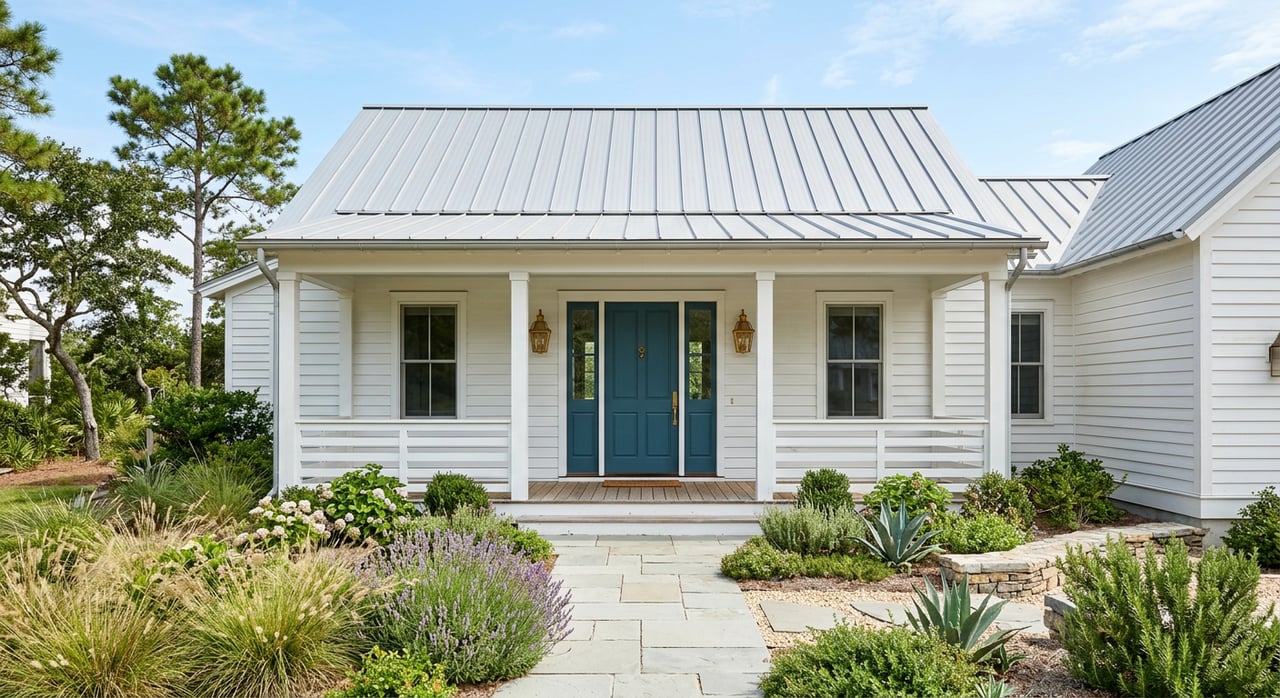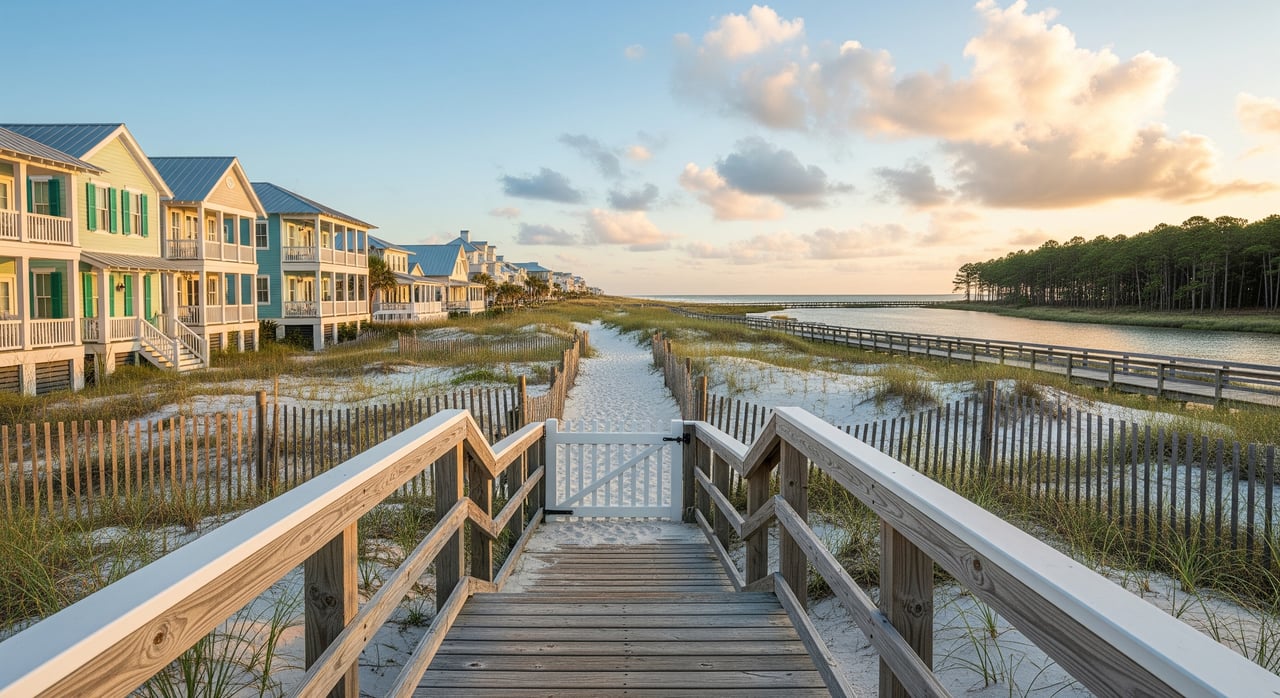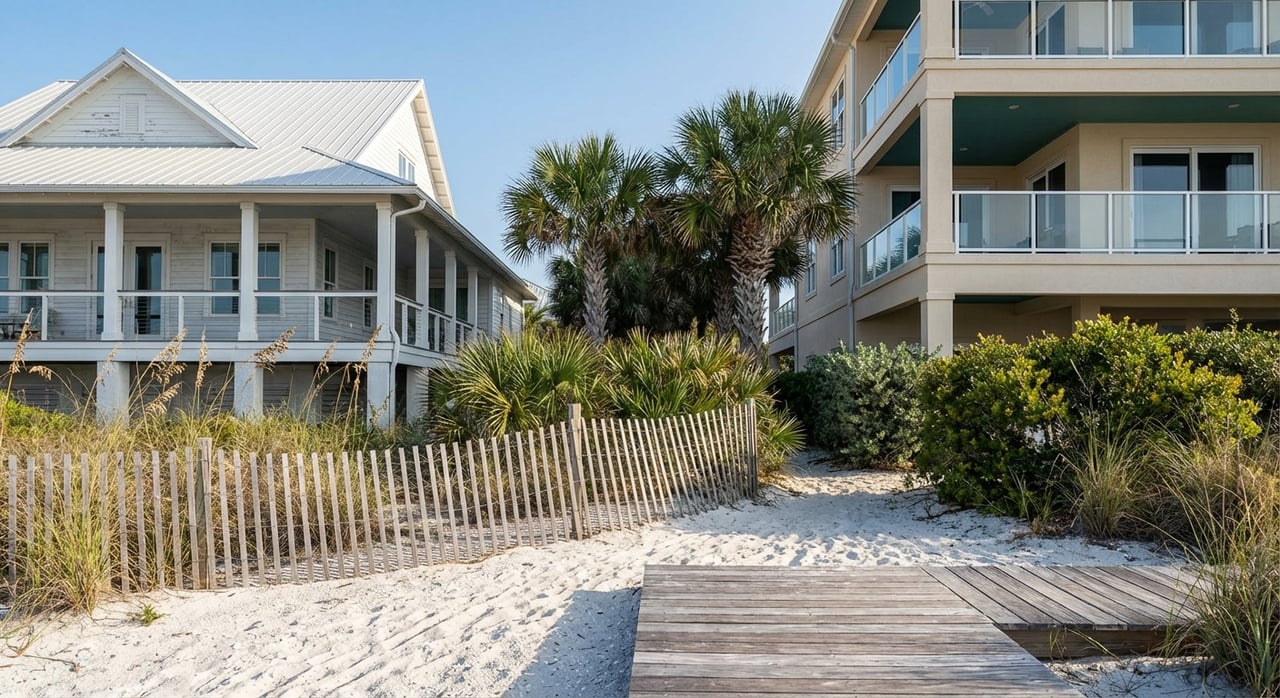
Choosing between a gulf-front home and a gulf-front condo on 30A can feel like a coin toss. You want a blue-water view, strong long-term value, and a property that fits how you actually live and vacation. You also want clarity on costs, financing, rental rules, and what it takes to own on the water.
This guide gives you a clear side-by-side view of homes vs condos in South Walton. You will learn how pricing, insurance, HOA structures, rental potential, and lifestyle tradeoffs differ on 30A, plus a concise due diligence checklist to protect your investment. Let’s dive in.
South Walton luxury at a glance
Price points along the 30A corridor sit well above the broader county median. Typical home values around Santa Rosa Beach hover near the mid to high six figures while countywide medians are lower, but true gulf-front property trades at a significant premium. Ultra-luxury single-family estates and penthouses set the tone in premier enclaves.
For context, local 30A waterfront analysis shows waterfront price per square foot averaging in the high hundreds to low thousands, with published industry summaries citing around $1,700 per square foot on average for waterfront. Prime beachfront parcels and new luxury builds often exceed that level, depending on frontage and community positioning. See the regional overview on 30A waterfront pricing for additional context from a local source in the area’s media ecosystem here.
Gulf-front homes vs condos: what you pay for
Purchase price bands
- Gulf-front single-family homes commonly start in the low millions and run well into eight figures in the most coveted sections of 30A. High-watermark sales in nearby corridors signal how scarcity and frontage width influence land values.
- Gulf-front condos offer a lower entry point for true beachfront ownership, from select sub-million options in older communities to multi-million penthouses in premium town centers. Carrying costs and rules vary widely by association.
Financing realities
- Condos: Your interest rate and loan options depend on the building. Lenders evaluate a project’s reserves, owner-occupancy, litigation status, and structural integrity. If a building is non-warrantable, you may need a jumbo or portfolio loan or more cash. Get a warrantability check early using a lender familiar with Freddie Mac’s condo project criteria here.
- Single-family: You avoid project-level hurdles, but price points often land above conforming limits, so expect jumbo underwriting standards. Work with a 30A-experienced lender to set expectations on down payment, reserves, and rate options.
Insurance on the coast
- Condos: The association’s master policy covers the exterior and common elements. You carry an HO-6 for interiors, contents, and loss assessment. Know if the master is “bare walls-in” or “all-in,” since that changes how you insure finishes and your exposure to assessments. Learn how master and unit policies fit together here.
- Single-family: Expect a homeowners policy with wind-hurricane endorsements plus flood insurance. Florida’s insurance market has shown signs of stabilization, but gulf-front premiums remain elevated compared with inland areas. Start quotes early and compare deductibles, mitigation credits, and elevation details. See the state’s market context update here.
HOA fees and reserve risk
- Condos: Association fees bundle master insurance, exterior maintenance, common-area utilities, staff, and amenities. Florida law requires specific reserve budgeting and structural integrity protocols for qualifying buildings. Review budgets, reserve studies, and meeting minutes before you bid. Reference the state’s condo reserve statute summary here.
- Single-family: Many beachfront neighborhoods charge annual dues at a lower ongoing cost but shift exterior and structure responsibilities to you. You gain autonomy on upgrades and timelines but assume full repair exposure. See a community-level FAQ for how single-family costs are typically handled in private beachfront enclaves here.
Maintenance and storm exposure
- Condos spread roof, exterior, and dune-related expenses across owners, which can make costs more predictable year to year, though special assessments are possible.
- Single-family homes concentrate exposure with you, which can mean larger episodic bills after storms. On the flip side, you control the quality and timing of mitigation and improvements. Community FAQs in private enclaves outline common practices for shoreline care and exterior upkeep here.
Rental income and regulation on 30A
Earning potential and seasonality
Short-term rental performance is seasonal and highly location sensitive. Market analytics point to median annual revenues in the tens of thousands, with top-performing gulf-front homes producing six-figure gross results in peak years. In premium communities, peak-season median nightly rates commonly sit in the 500 to 800 dollar range with annualized occupancy around 40 to 60 percent, depending on property class and micro-location. See community-level snapshots for Santa Rosa Beach and Alys Beach in third-party analytics here.
Registration and compliance
Walton County requires short-term vacation rental registration for individual properties. The program sets application and renewal fees, requires local contact information, and enforces posting and inspection rules. Confirm your renewal window by ZIP code and factor compliance timelines into your closing plan. Review the county’s Vacation Rental Registration Program details here.
Bed tax and sales tax
South Walton levies a 5 percent Tourist Development Tax on short-term stays in addition to state sales tax. Platforms may not remit the county tax for you, so owners or managers are responsible for registration and remittance. Build local tax rates and schedules into your pro forma. See the county’s collection guidance here.
Modeling true net
Build your revenue model by month, not just as an annual average. Include management fees, cleaning and maintenance, platform costs, HOA or condo dues, utilities, insurance, replacements, and local taxes. Validate asking prices with at least 2 to 3 years of historical performance if you are underwriting income, and pressure test assumptions against third-party analytics like those referenced above.
Lifestyle tradeoffs you will feel
- Condos: You get a turnkey experience with exterior maintenance, pools, common spaces, and often security managed by the association. Walkable locations near restaurants and shops can be a major lifestyle win. In return, you accept building rules, guest policies, and potential booking limits.
- Single-family homes: You gain privacy, yard and pool control, parking flexibility, and the ability to customize. Larger footprints can host bigger groups and command premium ADRs when rented. You also own the responsibility for exterior upkeep and storm preparation.
Coastal risk and site checks
Flood zones, elevation, and dune position drive insurance premiums and rebuilding plans. Request an elevation certificate and verify flood zones using FEMA’s Flood Map Service Center here. If you are evaluating multiple addresses, compare base flood elevations, proximity to dune walkovers, and construction type to anticipate risk and permitting constraints.
A quick decision guide
- Lifestyle first: If privacy and control rank higher than convenience, a gulf-front home likely fits best. Validate elevation, driveway access, and beach rights in title and HOA documents.
- Income first: If your priority is plug-and-play rentals with on-site amenities, a warrantable gulf-front condo can work well. Confirm building reserves, insurance, and rental rules upfront.
- Value and liquidity: Condos often have larger buyer pools and lower entry costs when warrantable. Scarce gulf-front single-family lots command long-term desirability but trade less often and require deeper capital.
Your due diligence checklist
Confirm short-term rental eligibility, registration, and any inspection or posting requirements with Walton County’s program. Start with the official county page here.
Request full HOA or condo documents: declaration and bylaws, most recent budget, reserve study, insurance declarations, and meeting minutes for the last 12 to 24 months. Cross-check reserve rules and disclosures under Florida’s condo statute summary here.
Underwrite rentals with property-specific data. Ask for 2 to 3 years of performance if applicable and calibrate your pro forma with independent analytics such as the community snapshots referenced earlier here.
Run flood zone and elevation checks and obtain early quotes for wind-hurricane and flood insurance. Use FEMA’s map tool to validate zones here and consult your insurer on mitigation credits.
If buying a condo with financing, ask your lender for an early project warrantability review following Freddie Mac’s guidance here.
Clarify title, beach access rights, and any dune or seawall responsibilities in the HOA documents and title work. Private enclave FAQs can help you understand typical owner obligations here.
Model net income after all taxes. Add South Walton’s 5 percent Tourist Development Tax to state sales tax and plan for timely remittance. Review county guidance on the TDT here.
If you want a tailored side-by-side, including real HOA budgets, insurance quotes, and rental comps by building or street, connect with MaryGrace Stubbs to start a curated comparison.
FAQs
What are typical 30A gulf-front price ranges?
- Gulf-front single-family homes often start in the low millions and can reach eight figures in premier enclaves. Gulf-front condos range from select sub-million options to multi-million penthouses, with fees and finishes driving variance.
How do condo HOA fees compare to home costs?
- Condo fees bundle master insurance, exterior upkeep, amenities, and reserves, which can be significant. Single-family owners often pay lower annual dues but assume direct exterior maintenance and storm-related expenses.
Is a 30A condo easier to finance than a home?
- Sometimes, but not always. A warrantable condo in a well-reserved building can be straightforward. A non-warrantable project can push you to jumbo or portfolio loans. Single-family purchases avoid project rules but often require jumbo underwriting.
What insurance do I need on the Gulf?
- Condos typically pair a master policy with an HO-6 for interiors and contents. Single-family homes generally require a homeowners policy with wind-hurricane endorsements plus separate flood insurance. Elevation and mitigation features affect premiums.
Can I do short-term rentals in South Walton?
- Yes, subject to county registration and any community rules. South Walton also collects a 5 percent Tourist Development Tax on short-term stays in addition to state sales tax. Always confirm HOA policies and county compliance steps before you buy.