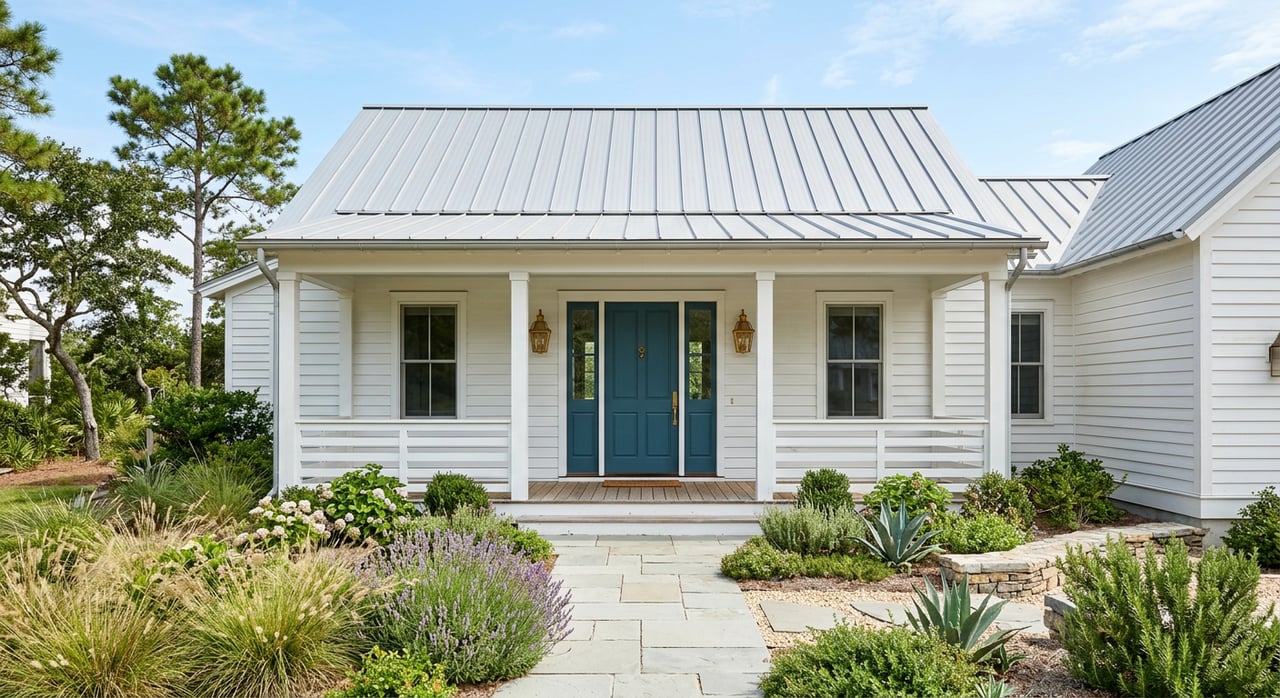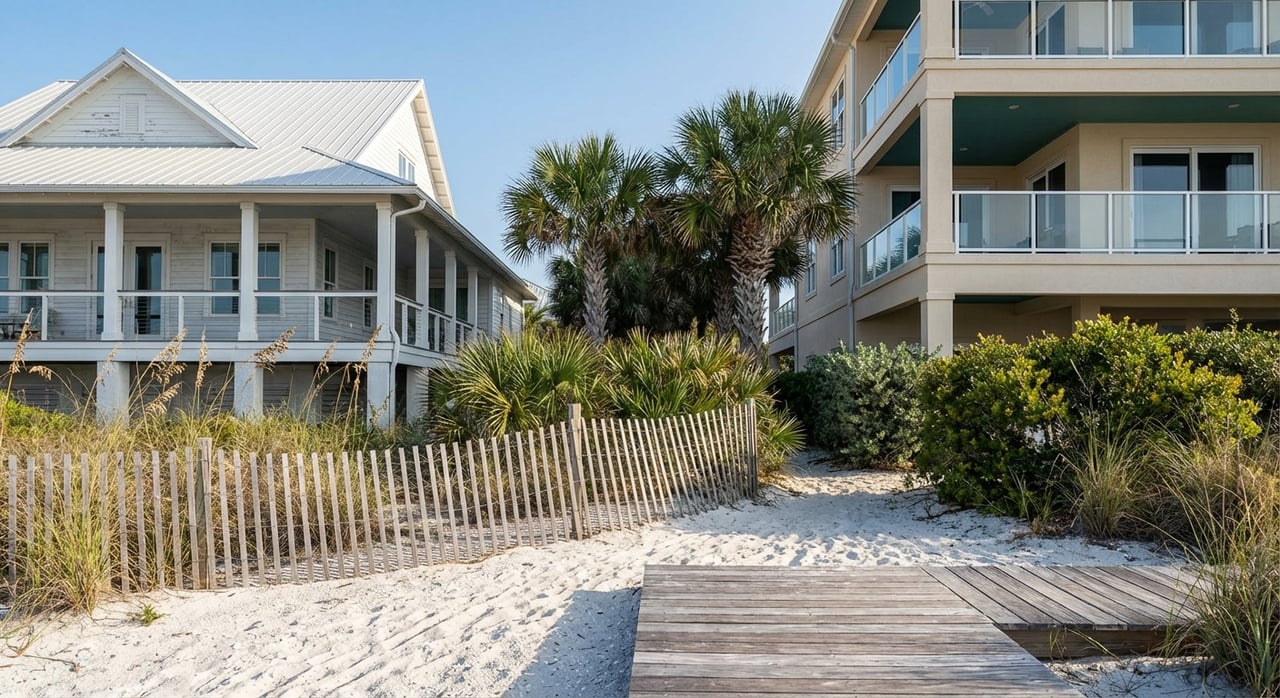
You can buy in WaterColor without ever stepping on a plane. If you love the 30A lifestyle but your schedule or distance makes travel tough, a remote purchase can still be seamless with the right plan. In this guide, you’ll learn the exact steps successful remote buyers take in WaterColor, from virtual showings to remote notarization and secure closing logistics. Let’s dive in.
Why WaterColor works for remote buyers
WaterColor blends a relaxed village feel with luxury amenities that make second‑home ownership straightforward. You will find beach access, pool and club experiences, and resort services that support turn‑key living. Explore the community vibe and amenities through the resort’s overview of the Beach Club, lake, and lifestyle features to confirm it aligns with your goals. You can start with the resort’s Beach Life page for an at‑a‑glance look at what daily life feels like in WaterColor.
- Explore the lifestyle and amenities on the resort’s page: WaterColor Beach Life overview.
Set up your remote search
Use rich media and live video
Expect high‑quality listing photos, video walk‑throughs, 3D tours, and drone views for gulf‑or lake‑adjacent homes. Ask your agent for live video tours on FaceTime or Zoom, including the walk from the home to key amenities so you understand distance and access. Request neighborhood maps and orientation clips to see street scale, traffic patterns, and nearby paths to the Beach Club or trails. When possible, ask the listing side for timed video walk‑throughs that capture natural light at different hours.
Check flood zones and parcels early
Before you narrow your list, confirm flood and parcel details. Review the address on the FEMA Flood Map Service Center to understand flood zones and likely insurance needs. Ask for or obtain an elevation certificate where relevant. This early vetting helps you compare homes accurately and anticipate insurance discussions during due diligence.
Write and sign from anywhere
Electronic signatures are recognized in Florida
Florida law recognizes electronic signatures and records, which allows you to execute offers and contracts securely online once all parties consent. Review Florida’s Uniform Electronic Transaction Act for confidence that e‑signing is standard practice. Most transactions proceed through platforms like DocuSign or similar, making contract execution simple no matter where you are. See the statute for details: Florida UETA, Chapter 668.
Remote Online Notarization makes closings flexible
Florida authorizes Remote Online Notarization, so many notarized documents can be handled over secure audio‑video platforms. Your notary will verify identity, record the session, and follow state requirements. Always confirm your lender’s policy if you are financing, since some loans require specific procedures for eNotes or certain in‑person steps. Read more about RON in Florida’s statute: Chapter 117. If you plan to use a mortgage, ask your lender early about eMortgage and eNote acceptance in line with Fannie Mae’s eMortgage guidance.
Protect your funds during escrow
Wire fraud is a real risk in high‑value real estate. Before sending earnest money or closing funds, verify wire instructions by calling a trusted phone number for the title or escrow company. Do not click links in unexpected emails or accept last‑minute changes without voice confirmation. For background and best practices, review the FBI’s guidance on Business Email Compromise and wire fraud in real estate: FBI wire‑fraud advisory.
Do thorough remote due diligence
Attend inspections via live video
Schedule a certified home inspector who can provide high‑resolution photos, annotated digital reports, and a live video debrief. Join the inspection video to see systems in real time. If concerns arise, budget for targeted follow‑ups by roof, HVAC, mold, pest, or structural specialists. Clear visuals and specific trades feedback protect you from surprises.
Review HOA documents and estoppel certificates
Request the HOA governing documents early, including rules, budgets, insurance, minutes, and any pending assessments. Florida law requires homeowner associations to provide estoppel and official records within statutory timeframes and allows capped fees for estoppel letters. Make sure you understand rental policies, parking, architectural controls, and assessment history before you waive contingencies. See the HOA rules under Florida Statutes Chapter 720.
Title, survey, and seller disclosures
Order a title search and preliminary commitment early, then review exceptions, easements, and any encroachments shown on survey. Purchase an owner’s title insurance policy at closing to protect your interest. In Florida, sellers have a duty to disclose known latent defects that materially affect value, even if a property is sold as‑is. Learn more about this duty in the Florida Bar’s discussion of Johnson v. Davis: Florida Bar Journal overview.
Plan your closing logistics
eClosings and recording
When your title company, lender, and the county recorder support electronic records, a full eClosing with eSign and RON can be completed from anywhere. Confirm the notary platform, identity verification steps, and how the title team will handle eRecording or paper recording with Walton County. Clarify timelines for final recording and fund disbursement so your insurance and utility changes take effect on time.
If in‑person signatures are required
If your lender or investor does not accept certain electronic documents, plan a brief in‑state signing or consult about a limited power of attorney. POAs must meet specific drafting standards and may not be accepted for some loan documents, so coordinate early with your lender and title team. Your goal is to remove uncertainty about the final signing method at least two weeks before closing.
After closing: ownership setup
Insurance and coastal risk
Confirm homeowner, wind, and flood coverage are active as of closing. Gulf‑coast properties commonly sit in FEMA flood zones, and lenders may require flood insurance. You can review local risk and policy basics on FEMA’s Flood Map Service Center and the National Flood Insurance Program’s FloodSmart site. Work with an insurance professional who understands coastal properties.
Short‑term rentals and local rules
If you plan to rent the home, Walton County requires short‑term vacation rental registration and a local responsible party. The county outlines posting, occupancy, parking, and safety standards plus annual renewal steps. Review the county’s guidance and confirm your association’s rental rules to avoid surprises: Walton County short‑term rental FAQ.
Remote buyer checklist and timeline
Use this quick plan to stay on track from search to closing.
Before making an offer
- Get lender pre‑approval and ask about eClosing, eNote, and RON acceptance.
- Request high‑resolution media and a live video walk‑through from your agent.
- Check flood zones and parcel data on the FEMA Flood Map Service Center. Ask about elevation certificates.
At offer and under contract, days 0–7
- Send earnest money only after voice‑verifying instructions with title or escrow. Review FBI wire‑fraud tips.
- Ask the title team to order the preliminary title commitment and HOA estoppel and governing documents under Florida Chapter 720.
Due diligence, days 7–30
- Book a home inspector with video capability and plan targeted follow‑ups as needed.
- Review title exceptions, survey, and any easements. Raise title objections early.
- Confirm rental rules, budgets, and pending assessments with the association.
Closing prep, days 14–45
- Finalize notarization method under Florida RON rules and confirm lender approval for any eMortgage steps using Fannie Mae guidance.
- Confirm how documents will be recorded and schedule your final funds wire with phone verification.
After closing
- Confirm recording, activate insurance policies, and set up utilities and local contacts.
- If renting, register the property per Walton County short‑term rental requirements and follow association rules.
Five essentials every remote buyer should confirm
- Lender supports your planned eClosing path, including eNote and RON if financing.
- Title company uses secure wire‑verification and provides direct phone numbers.
- HOA estoppel and full governing documents received and reviewed.
- Inspector provides video and detailed digital reporting with trades follow‑ups.
- Flood zone checked on FEMA, insurance quoted, and policy start dates aligned with closing.
Avoid these common pitfalls
- Relying only on listing photos without a live walk‑through that shows light, sound, and access.
- Skipping an elevation certificate or flood review for a coastal property.
- Wiring funds based on an email without calling a verified number to confirm instructions.
- Assuming rental policies align with your plan without confirming HOA rules and county registration.
- Waiting until the week of closing to confirm notarization method and lender requirements.
WaterColor is one of 30A’s most seamless markets for remote buyers when you have a clear plan and trusted guidance. With more than $550M in closed transactions and a concierge approach to second‑home purchases, you get a team that anticipates details and keeps your experience calm and efficient. If you are ready to explore the right WaterColor fit from anywhere, connect with MaryGrace Stubbs to start your search and timeline.
FAQs
How do I buy a WaterColor home remotely if I cannot visit first?
- Use live video tours, community maps, and rich media to shortlist, then complete inspections with video reporting and proceed with e‑signing and RON where permitted.
Are remote notarizations accepted for Florida real estate closings?
- Yes, Florida authorizes Remote Online Notarization under Chapter 117, though your lender and title company must agree on the closing method.
What should I know about flood zones when buying in WaterColor?
- Check the property on FEMA’s Flood Map Service Center, request an elevation certificate when relevant, and discuss flood insurance requirements early with your insurer and lender.
How do HOA rules affect short‑term rentals in WaterColor?
- Associations set community rules and may regulate rentals, so review the estoppel and governing documents and follow Walton County’s rental registration requirements.
How can I safely wire earnest money from out of state?
- Call a verified phone number for the title or escrow company to confirm wire instructions and never act on email changes without voice confirmation.
Can I complete a mortgage closing fully online for a WaterColor purchase?
- It depends on your lender and investor; many support eSign and some support eNotes and RON, so confirm eMortgage capabilities at pre‑approval using their published policies.