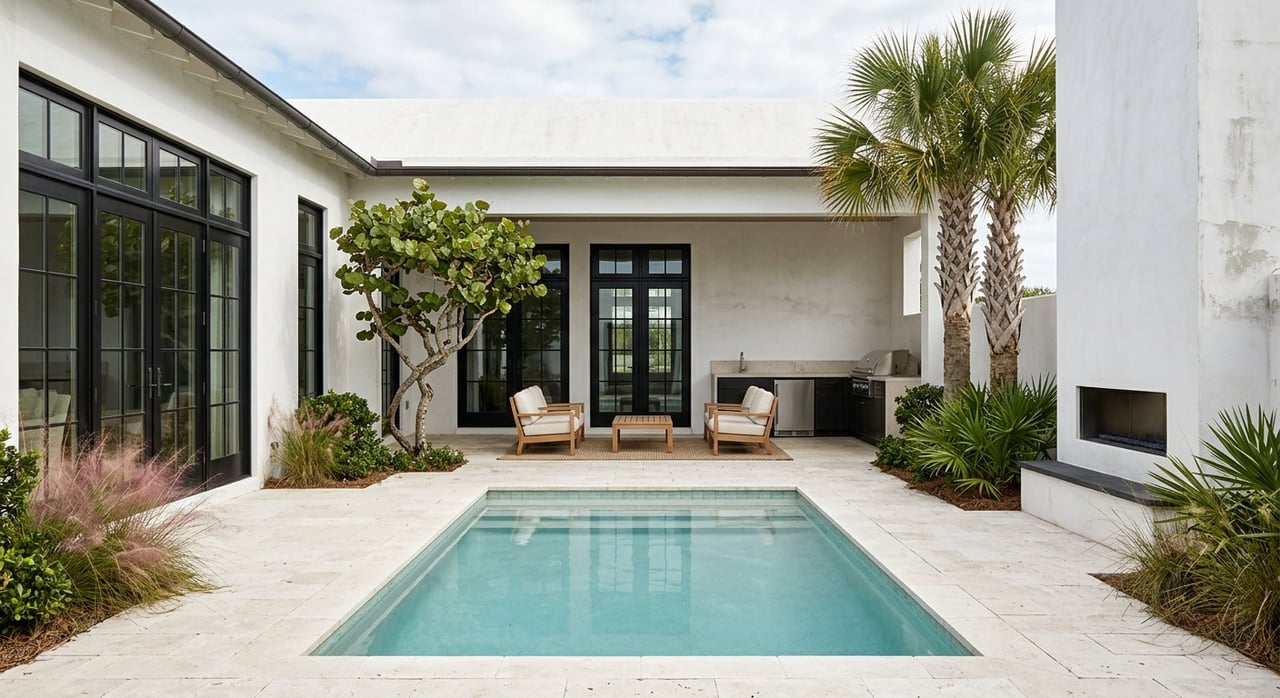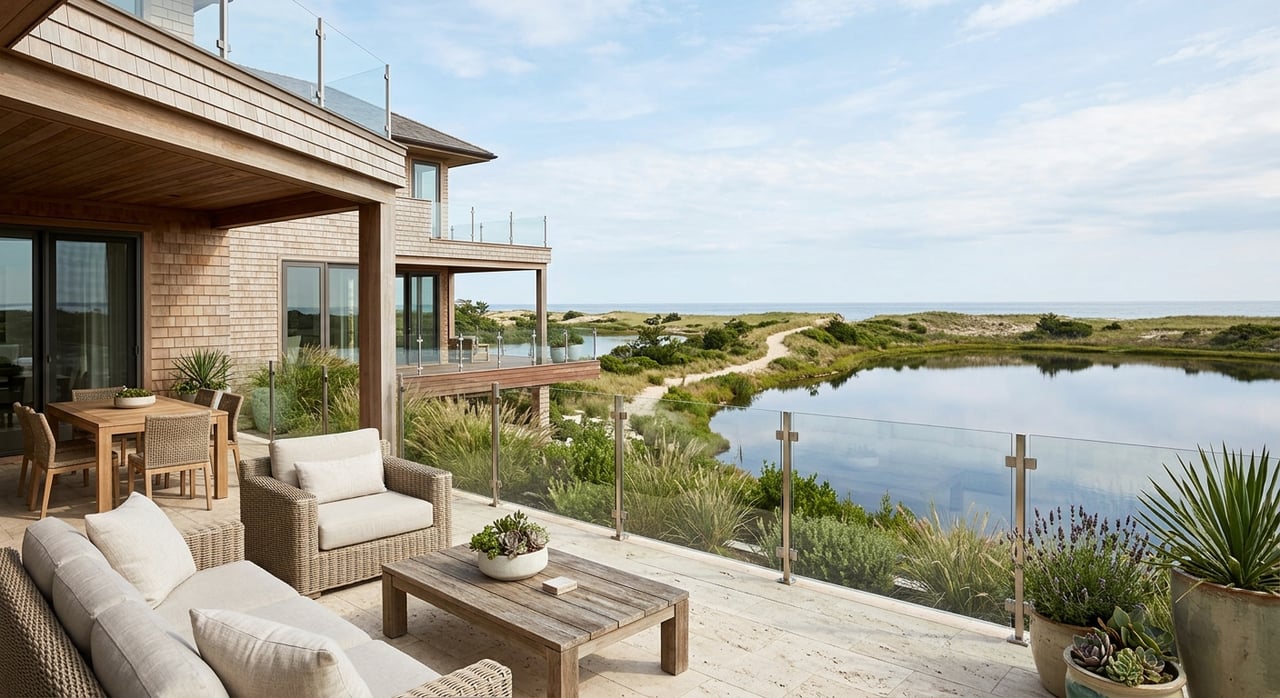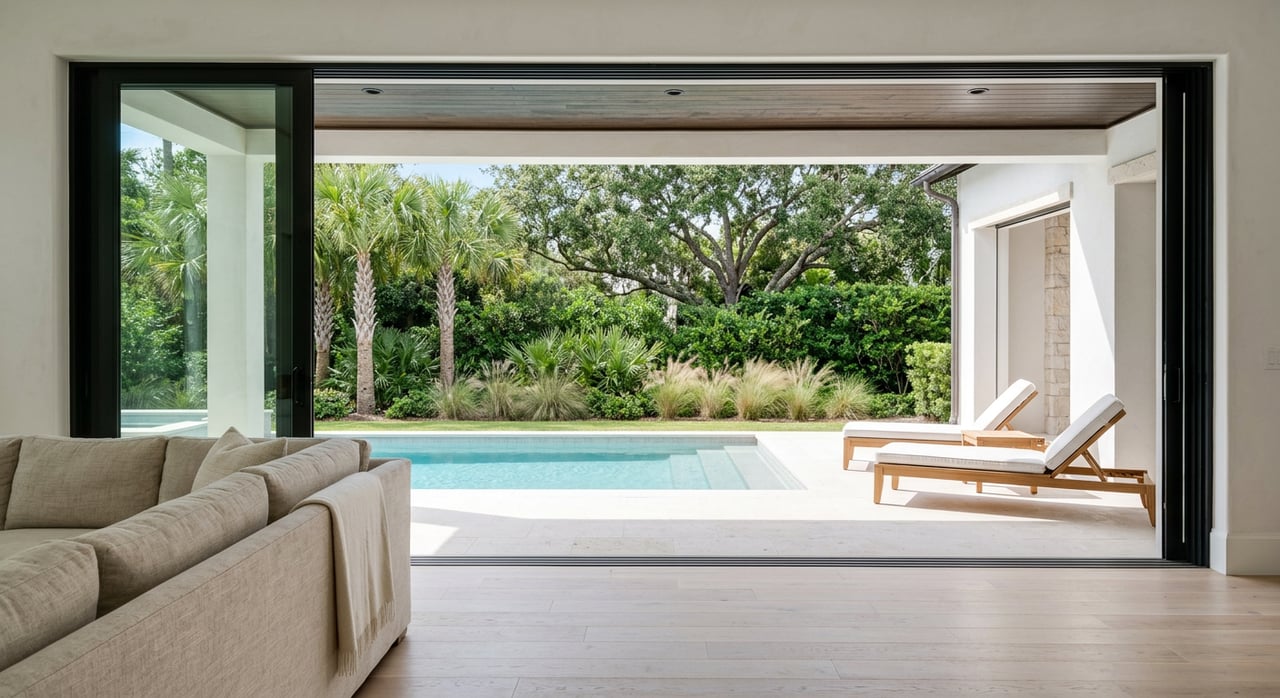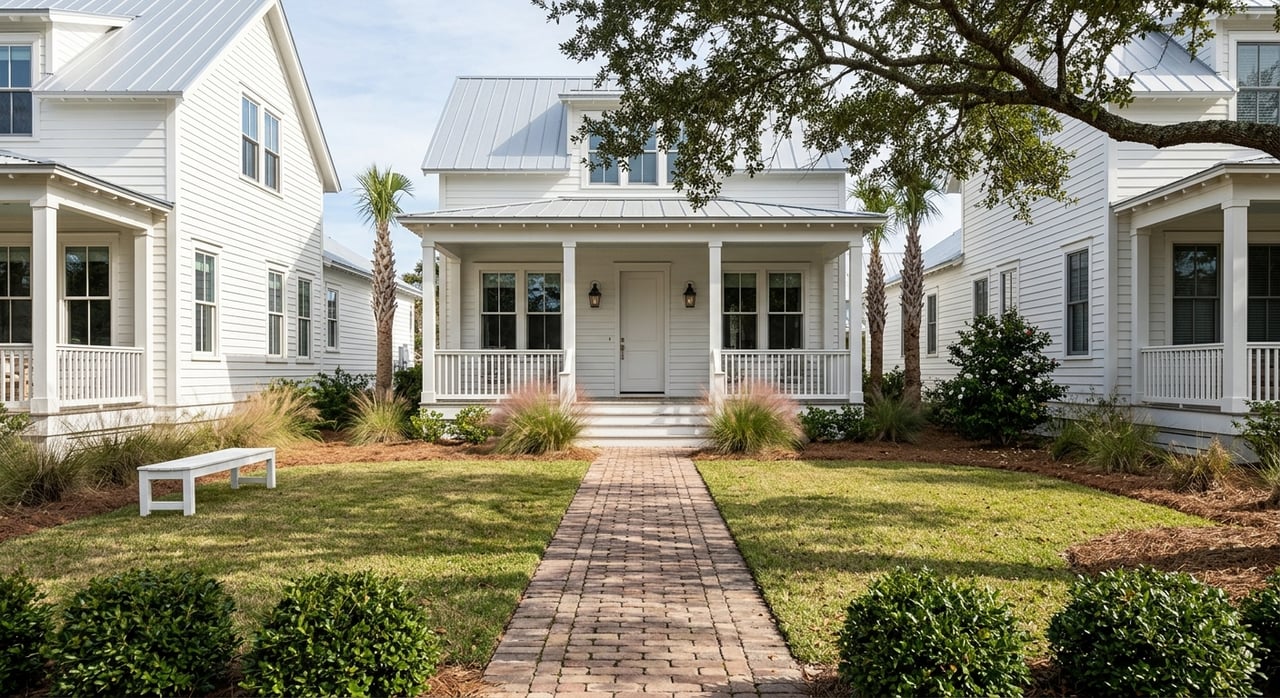
If you have ever walked through Seaside and thought, this feels different from other beach towns, you are noticing New Urbanism in action. The layout, scale, and public spaces are designed to make everyday life feel easier, more connected, and more memorable. If you are exploring 30A real estate, understanding that design language can help you better evaluate what makes Seaside and nearby communities so appealing. Let’s dive in.
What New Urbanism Means
New Urbanism is a planning approach that pushes back against sprawl and favors mixed uses, walkable streets, defined public spaces, and architecture that reflects local history, climate, and ecology. According to the Charter of the New Urbanism, neighborhoods should be designed for pedestrians and transit as well as cars, with a human-scale feel.
In simple terms, New Urbanism is about making daily life happen within a comfortable, connected setting. Instead of separating homes, shops, dining, and gathering places, the design brings them closer together. That is a big reason some 30A towns feel more like true villages than typical resort subdivisions.
Why Seaside Leads the Story
Seaside is the natural starting point because it is widely recognized as the place where New Urbanism first came to life in a real-world coastal town. Seaside’s official history says the project began in 1981 on Robert Davis’s family land with just two houses, one street, and a pavilion at the beach gateway. Today, the community includes more than 300 homes along with restaurants, shops, and galleries.
The Congress for the New Urbanism also points to Seaside as the place where the movement first came to fruition in the 1980s. That makes Seaside more than a popular 30A destination. It makes it a reference point for how thoughtful planning can shape the feel of an entire community.
How Seaside Feels Different
Seaside’s appeal is not just about being near the Gulf. It comes from how the town is put together day to day. Its community design includes narrow streets that slow traffic, brick-paved roads, white-sand footpaths, front porches, native landscaping, and a Central Square where shopping and dining are within about a five-minute walk of residences.
That combination creates a very specific rhythm. You can move through the town at a relaxed pace, walk to the beach, stop in the square, and return home without feeling like every outing requires a car. The result is a compact, visually consistent environment that feels intentional at every turn.
Why Human-Scale Design Matters
For many buyers, the biggest difference is lifestyle. In a New Urbanist town, beach access, dining, errands, and social time often happen within a smaller radius. That can make a community feel more personal and easier to enjoy, especially if you want your coastal home to support a walk-first routine.
This kind of design also shapes how a place feels emotionally. Front porches, connected paths, and public gathering areas encourage casual interaction and create a stronger sense of place. You are not just buying a house near the beach. You are often buying into a setting designed to make the whole environment more livable.
How Other 30A Towns Compare
Seaside may be the prototype, but it is not the only 30A community influenced by these ideas. The Congress for the New Urbanism describes 30A as a 17-mile Gulf Coast corridor connecting Seaside to Alys Beach, Rosemary Beach, and other communities shaped by similar planning principles.
The key point is that these towns are not identical. They share common ingredients like walkable cores, greens, boardwalks, pathways, and architecture codes, but each community interprets those elements in its own way. That is important if you are comparing neighborhoods along 30A and trying to find the right fit.
Rosemary Beach’s Village Pattern
Rosemary Beach is one of the clearest examples of Seaside’s influence with its own distinct identity. According to the town’s architecture and design overview, its traditional neighborhood plan by Andres Duany and Elizabeth Plater-Zyberk was intended to encourage pedestrian traffic, community interaction, and architectural harmony through strict urban codes.
Its town center, pedestrian boardwalks, and beach-oriented pathways reinforce that compact, walkable experience. Like Seaside, the planning supports a village feel. Unlike Seaside, the architectural expression and public realm have their own style and atmosphere.
Alys Beach’s Structured Approach
Alys Beach follows the same broader planning philosophy, but in a more formal and highly designed setting. The Congress for the New Urbanism notes that DPZ CoDESIGN planned Alys Beach after Seaside and Rosemary Beach, while Alys Beach’s own materials describe a master plan that organizes residential, commercial, mixed-use, and common spaces in phases.
Parks, paths, and roadways are built into that plan from the beginning. The town is also designed for pedestrians, with homes, shops, restaurants, and amenities all within a short walk or bike ride to the beach. For buyers, that means you may see the same New Urbanist foundation expressed in a much more structured visual setting.
WaterColor and WaterSound
Other 30A communities borrow related placemaking ideas without mirroring Seaside exactly. WaterColor emphasizes a town center, landscaped footpaths, parks, gardens, and clustered amenities across its 500-acre community. WaterSound also highlights town centers, neighborhoods and businesses organized around a sense of place, plus a mile-long walking and biking path with public art.
These communities show how the same design DNA can take different forms. Some feel more resort-oriented, some feel more village-like, and some blend the two. That variety is part of what makes 30A such a nuanced market.
What It Can Mean for Buyers
If you are buying in Seaside or another New Urbanist-influenced 30A town, the design can shape your daily experience as much as the home itself. Walkability, public spaces, and a coherent streetscape often influence how often you use the area around you, not just the property you own.
That can matter for second-home buyers, relocation buyers, and lifestyle-driven purchasers who want more than square footage. In many cases, the value is tied to how the town functions. A home in a well-planned setting may offer a different experience from one in a less connected beach neighborhood, even if both are near the water.
What It Can Mean for Sellers
For sellers, Seaside’s planning story helps explain part of the buyer demand. The visual code, compact lot pattern, and limited supply all help preserve the look and feel that draw people in. In Seaside, where the official history notes there are only 300-plus homes, that limited inventory is part of the appeal.
That does not mean value is automatic or guaranteed. It does mean that buyers often respond strongly to places where design consistency and walkability are central to the community identity. When a neighborhood experience is hard to replicate, it can support long-term interest from lifestyle-focused buyers.
Does New Urbanism Affect Value?
There is no blanket rule that New Urbanism automatically raises home values. Still, there is meaningful research connecting walkability and place quality with stronger market performance. A Brookings analysis found that more walkable places had higher residential rents and for-sale values, along with commercial valuation premiums.
That research does not promise results for every home or every market cycle. What it does offer is context for why compact, pedestrian-oriented 30A communities often attract premium-level interest. Buyers are often responding to a complete environment, not just a floor plan.
The Trade-Offs to Know
Popular places come with pressure. As 30A has grown in visibility, the same design qualities that create charm have also contributed to peak-season congestion. The Congress for the New Urbanism’s coverage of Seaside and 30A notes that higher density and summer traffic have made parking and travel between communities more challenging at busy times.
That is a useful reality check for buyers and sellers alike. A walkable, compact town can be incredibly appealing, but its popularity can also make access and movement more complicated during the busiest periods. In other words, the same qualities that drive demand can also create seasonal friction.
Why This Matters in 30A Real Estate
In Seaside and across nearby 30A communities, New Urbanism is not just a design theory. It is a practical framework that shapes how people live, move, gather, and experience the coast. If you are comparing communities, it helps explain why two homes at similar price points can feel very different based on what surrounds them.
That is especially important in a market where lifestyle plays such a large role in decision-making. Whether you are buying a second home, evaluating a resort property, or preparing to sell a distinctive coastal asset, understanding the planning behind the place gives you a more informed view of value.
If you want guidance on how Seaside, WaterColor, Rosemary Beach, Alys Beach, and other 30A communities compare from a lifestyle and property perspective, MaryGrace Stubbs offers a polished, local approach rooted in deep neighborhood knowledge and concierge-level support.
FAQs
What makes Seaside an example of New Urbanism?
- Seaside is widely recognized as an early and influential New Urbanist town because of its compact plan, walkable layout, public spaces, and mix of homes, shops, and dining within a human-scale setting.
How do Rosemary Beach and Alys Beach compare to Seaside?
- Rosemary Beach and Alys Beach share New Urbanist principles like walkability, structured public spaces, and design codes, but each community has its own architecture, planning style, and atmosphere.
Does New Urbanism in 30A guarantee higher property values?
- No, it does not guarantee higher values, but research shows that walkable places often command stronger demand and higher residential values, which helps explain the premium appeal of many 30A communities.
Why do Seaside and other 30A towns feel more walkable?
- These towns are planned with features like narrow streets, connected paths, town centers, boardwalks, and nearby gathering spaces so daily activities can happen within a smaller area.
What should buyers consider about living in a walkable 30A community?
- Buyers should consider both the benefits and trade-offs, including easier access to shops, dining, and the beach, along with possible congestion and parking challenges during peak seasons.