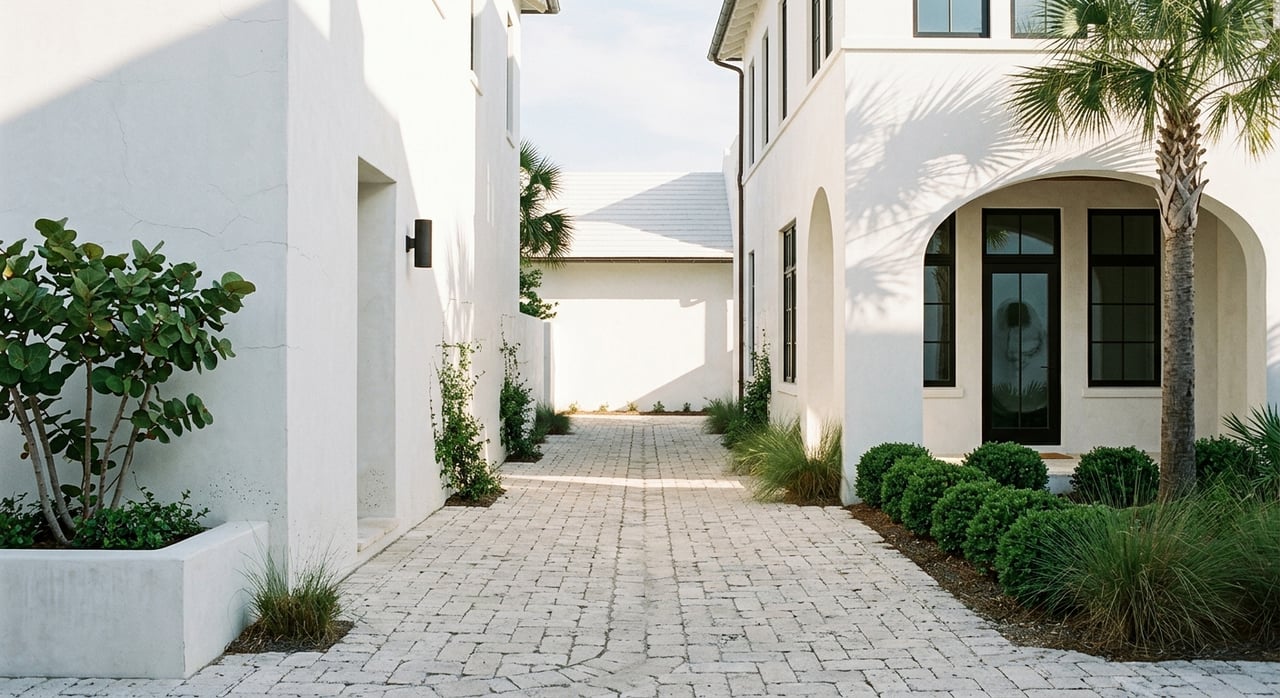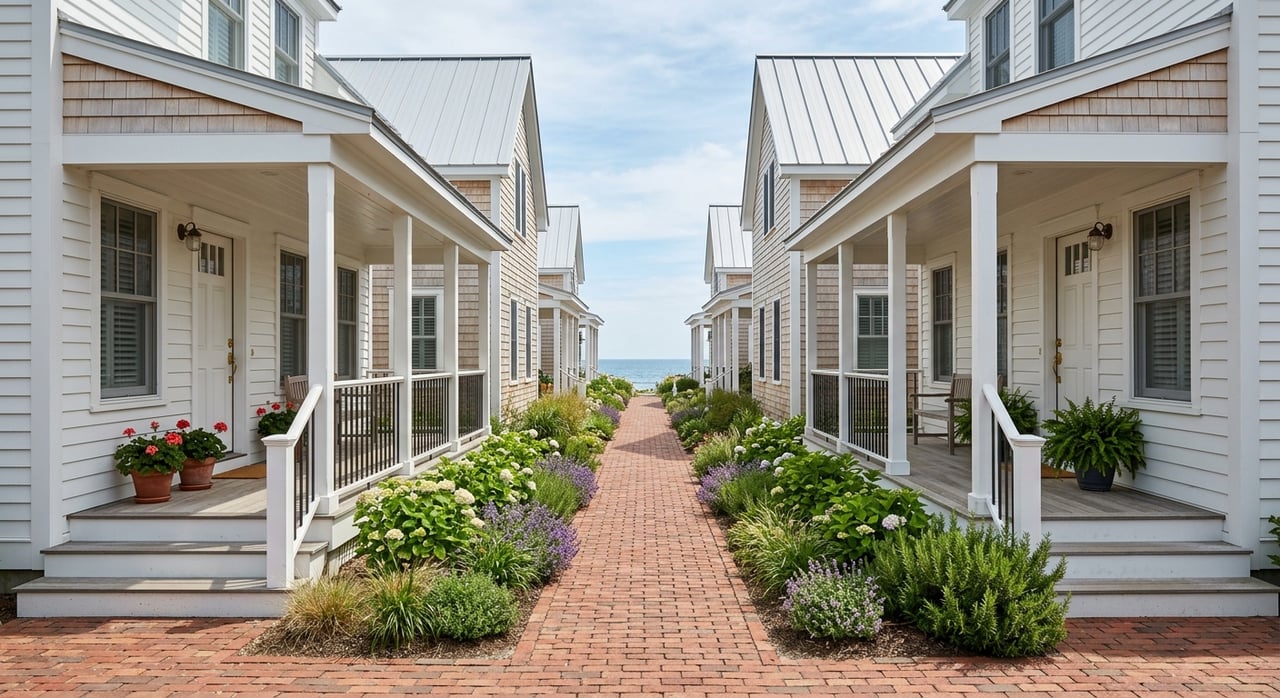
Buying in Seaside can look simple from the outside. The homes are iconic, the setting is walkable, and the lifestyle is hard to match. But if you plan to use your property as a vacation home, an investment, or both, the rental and HOA details matter just as much as the architecture and location. This guide will help you understand how Seaside’s rules are layered, what to verify before you buy, and where the fine print can shape both your experience and your bottom line. Let’s dive in.
Seaside rentals are not one-size-fits-all
Seaside is not just a collection of vacation homes. The community describes itself as a town of more than 300 homes, along with shops, restaurants, and galleries built around walkability and shared public life. That matters because ownership here often comes with a mix of lifestyle benefits, operating rules, and design standards.
For buyers, the biggest takeaway is that one property may function very differently from another, even within the same community. According to Seaside’s official materials, each street has its own HOA, and guest beach access can depend on the property’s location and that street’s rules. In practice, that means you cannot assume rental terms, amenity use, or guest privileges are the same across all homes.
Why street-level HOA rules matter
In Seaside, the HOA conversation is highly specific to the property you are considering. Since each street has its own HOA, dues, policies, and use restrictions are not standardized across the entire town. A listing may show beautiful interiors and strong rental appeal, but the governing documents will tell you how the property actually operates.
This is especially important if you want to rent the home. HOA rules may affect guest parking, beach pavilion access, amenity use, trash handling, and other day-to-day details that shape the guest experience. Those same rules can also influence your carrying costs and how smoothly the property performs as a second home or rental asset.
What to request from the HOA
Before you write an offer, ask for:
- The name of the street HOA that governs the property
- Current dues and what those dues cover
- The current HOA budget
- Recent assessment history
- Any pending or past special assessments
- Written rules on rentals, parking, beach access, and amenity use
These items can help you understand whether costs are tied mostly to maintenance and stewardship, rental operations, or both.
Walton County rental approval comes first
If you intend to rent your Seaside property on a short-term basis, Walton County requires annual short-term vacation rental certification. The county requires a separate certificate for each rental unit, and owners must secure the certificate before renting. If the property changes hands, that certificate does not transfer after closing.
That last point is easy to miss, but it matters. Even if the seller has been renting the home successfully, you should not assume you can step into the same approval without taking your own steps after purchase. Your due diligence should include confirming the certification path, timing, and renewal requirements for the property you are considering.
Required registrations buyers should know
Walton County’s certification works alongside other required registrations. The research report notes that owners also need Florida Department of Revenue sales and use tax registration, DBPR lodging licensure, and Walton County tourist development tax registration before operating legally as a short-term rental.
For buyers, the practical point is simple: rental readiness is not automatic. It is a compliance stack, and your timeline to begin renting may depend on how quickly you can complete each step.
Occupancy, noise, parking, and response rules shape operations
Once a short-term rental is approved, Walton County also regulates how it operates. County rules limit occupancy to one person per 150 square feet of living area. They also require a local responsible party who is available 24/7 and able to respond within one hour.
In addition, rentals must post required guest information and follow standards for parking, trash, noise, and signage. Walton County also allows communities with their own HOA structure to use mandatory HOA parking and trash rules where those already exist. In Seaside, that creates another layer where county rules and HOA rules can work together.
For buyers, this means rental ownership is active, not passive. If you plan to rent, you should know who will handle guest communication, compliance, and local response before you close.
Seaside guest rules can be stricter
County approval is only part of the picture. Seaside-specific rental terms can be more restrictive than the county baseline, especially for homes participating in the Homeowner’s Collection program.
According to the research report, those rental terms prohibit subletting, ban house parties and fireworks, and prohibit smoking in cottages, porches, and fenced yards. They also cap guest count at the listed occupancy and limit parking passes by bedroom count. Golf carts are not allowed for renters except under a special-needs permit.
Some policies also address booking eligibility. For certain cottage rentals aimed at vacationing students or young-adult groups, the terms require renters to be age 25 or older. Buyers should review the exact rule set tied to the property and rental channel they are considering, rather than assuming a general Seaside standard applies.
Beach bands and parking passes matter
Guest access in Seaside is tied to the home’s approved use. The research report notes that guests receive beach bands and parking passes linked to the cottage’s maximum occupancy. Missing bands or passes can trigger charges through the Seaside Town Council.
That may sound like a small operational detail, but it has real implications. It affects guest logistics, turnover procedures, and how carefully a home needs to be managed between stays.
Not every home is in the same rental program
One of the most important details for buyers is that rental participation appears to be owner-driven, not automatic across all Seaside homes. Seaside’s official materials describe Homeowner’s Collection as the exclusive onsite rental operator, and that program is owned by participating cottage homeowners while managing more than 190 private homes.
That suggests two important things. First, not every home is necessarily part of that program. Second, the rental channel connected to a property may affect how bookings, guest services, and day-to-day management are handled.
If rental income is part of your decision, ask whether the home is currently in Homeowner’s Collection or another rental channel. You should also request the exact operating rules attached to that arrangement.
Fees and amenities are property-specific
Seaside offers a strong lifestyle component, but buyers should be careful not to assume every home comes with the same fee structure or amenity package. The research report notes that Homeowner’s Collection fees may include access to the Seaside Swim and Tennis Club and Fitness Center, along with reservation processing, a guest damage waiver, and departure cleaning.
There may also be an optional arts-and-entertainment fee that supports cultural, educational, and entertainment programming for residents and visitors. Seaside also uses visitor-facing fees in other ways, such as managed parking supported by hourly charges and a complimentary shuttle designed to reduce congestion.
The broader point is that fees in Seaside often support an active, highly programmed community experience. Event programming, fitness offerings, pool and racquet amenities, and guest services all contribute to the town’s appeal. But from a buyer’s perspective, those costs should be reviewed on a parcel-by-parcel basis, not treated as a blanket community standard.
Design control is part of ownership too
In Seaside, buying a home also means buying into a distinct design culture. The community uses a form-based code, and the Seaside Architectural Review Committee, often called SARC, reviews certain projects and improvements.
If you are thinking about renovations, exterior changes, or future upgrades, this matters. Even when a property looks move-in ready today, your long-term plans may still be shaped by review requirements and approval timelines. That is why it is smart to ask early whether the changes you have in mind will need SARC approval.
A practical Seaside buyer checklist
If you are evaluating a property in Seaside, these are the key questions to ask before moving forward:
- Which street HOA governs the property?
- What do the recorded covenants say about short-term rentals?
- What are the rules for guest beach access and beach pavilions?
- How many parking passes come with the home?
- What are the occupancy limits and guest-use restrictions?
- Are there pet, golf cart, age, or event restrictions?
- Is the home in Homeowner’s Collection or another rental channel?
- What certifications and registrations will you need after closing?
- Does the current county rental certificate transfer with the sale?
- Are there any planned assessments or major budget items?
- Will any renovation plans require SARC approval?
These answers can help you evaluate not just the home, but the ownership experience that comes with it.
The bottom line for Seaside buyers
In Seaside, rental potential is shaped by several layers at once. Florida law sets the broader framework, Walton County requires certification and operating compliance, each street HOA may apply its own rules, and Seaside’s guest-management standards can add another level of restriction.
That is why the fine print is not secondary here. It is part of the property’s value, usability, and long-term fit. If you are buying in Seaside, careful due diligence can help you choose a home that supports the lifestyle you want and the ownership model you expect.
If you want help evaluating Seaside properties with a clear eye on rental rules, HOA structure, and long-term ownership considerations, connect with MaryGrace Stubbs for thoughtful, local guidance.
FAQs
What should buyers know about HOA rules in Seaside?
- In Seaside, each street has its own HOA, so rules on rentals, beach access, parking, amenities, dues, and assessments can vary by property.
What should buyers know about short-term rental approval in Walton County?
- Walton County requires annual short-term vacation rental certification for each rental unit, and the certificate does not transfer to a new owner after a sale.
What should buyers know about Seaside rental restrictions?
- Seaside-related rental terms can include limits on occupancy, parking passes, smoking, parties, fireworks, golf cart use, and certain booking requirements, depending on the property and rental channel.
What should buyers know about Seaside beach access for guests?
- Seaside’s official materials state that guest beach access depends on the property’s location and the rules of the street HOA, so buyers should verify this directly for each home.
What should buyers know about rental taxes in Seaside?
- Owners should plan for both Florida transient-rental tax and Walton County tourist development tax compliance, not just nightly rental income.
What should buyers know about renovations in Seaside?
- Exterior changes, renovations, and some project work may require review through Seaside’s Architectural Review Committee because the community follows a form-based code and active design review process.